Key Takeaways
- Late spring through early fall is the best window to replace a roof, siding, or windows in Colorado — warm, dry weather helps materials seal and cure.
- That’s also peak demand and peak price. Booking in the shoulder seasons (early spring or late fall) often means better availability and rates.
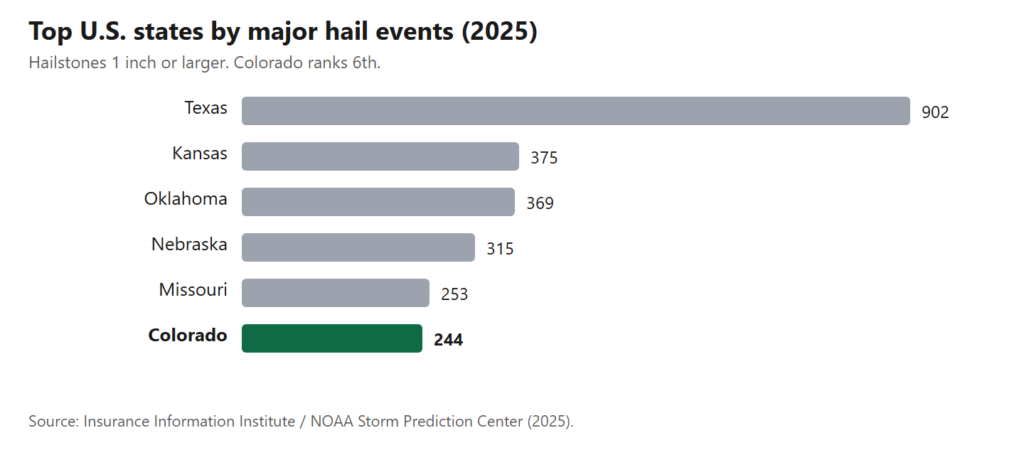
- Get ahead of hail season. Colorado ranked 6th in the U.S. for major hail events in 2025, so scheduling before or between storms protects your home and avoids the post-storm rush (Insurance Information Institute).
- Windows are the most flexible — they can be installed nearly year-round, with mild shoulder seasons ideal for sealants to cure.
- Choose materials for the climate: Class 4 impact-resistant shingles and durable siding matter more here than timing alone.
In Colorado, when you replace your roof, siding, or windows is almost as important as what you install. A compressed weather calendar — hail in spring and summer, monsoon afternoons, intense high-altitude sun, and early snow — leaves a real “best window” for exterior work. This guide breaks down the ideal season for each project, how hail season shifts your timing, and how to use the off-season to your advantage.
What’s the best time of year to replace a roof in Colorado?
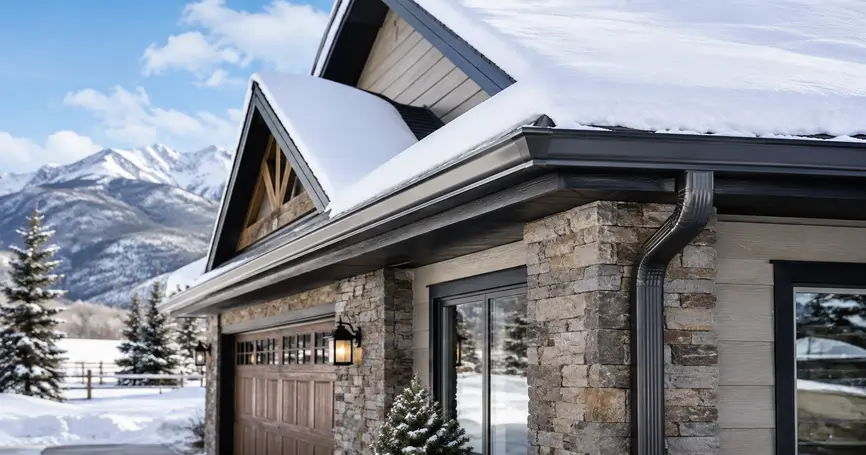
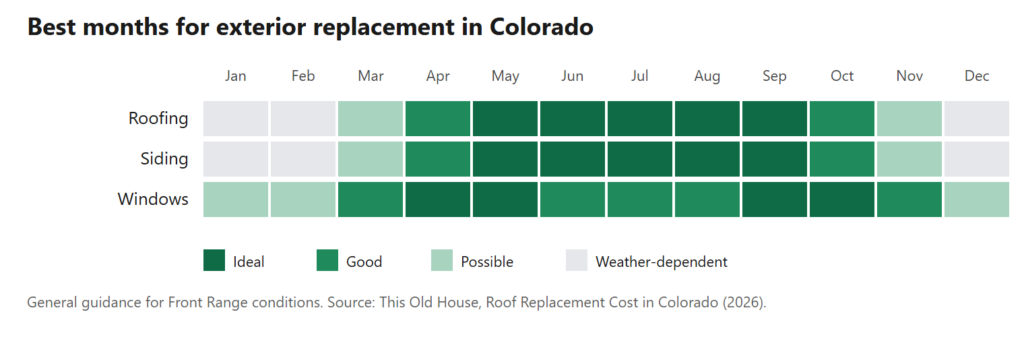
The best time to replace a roof in Colorado is late spring through early fall, when temperatures are warm enough for asphalt shingles to seal properly and dry enough to avoid weather delays. Summer offers the most predictable weather, though it’s also the busiest and priciest season for roofers (This Old House). Shingles need moderate warmth to activate their adhesive strips and bond into a wind- and hail-resistant seal — which is why deep winter installs are harder to get right.
Here’s the ideal window for each exterior project across the year:
When should you replace siding in Colorado?
Siding is best installed in dry weather above freezing — roughly late spring through early fall — because fiber cement, caulk, and exterior paint need moderate temperatures to cure and adhere. Installing in a warm, dry stretch prevents trapped moisture behind the new siding and lets sealants set properly before winter. If you’re choosing a material at the same time, our guide to the best siding for Colorado covers how fiber cement, vinyl, and engineered wood handle hail and UV.
When is the best time for window replacement?
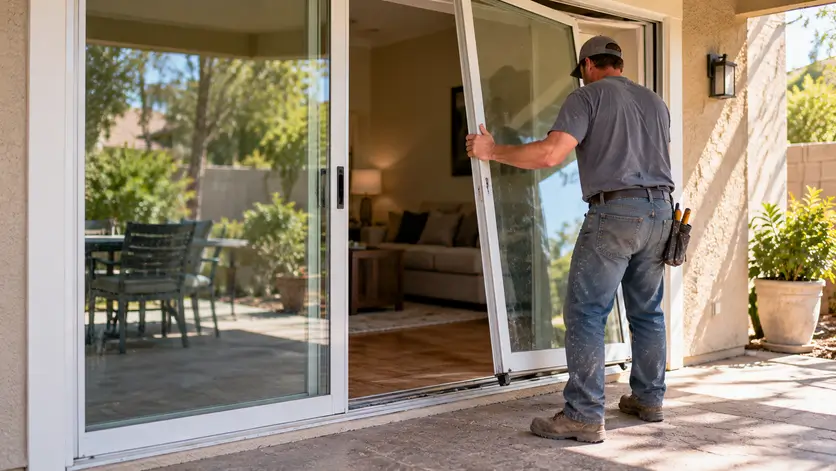
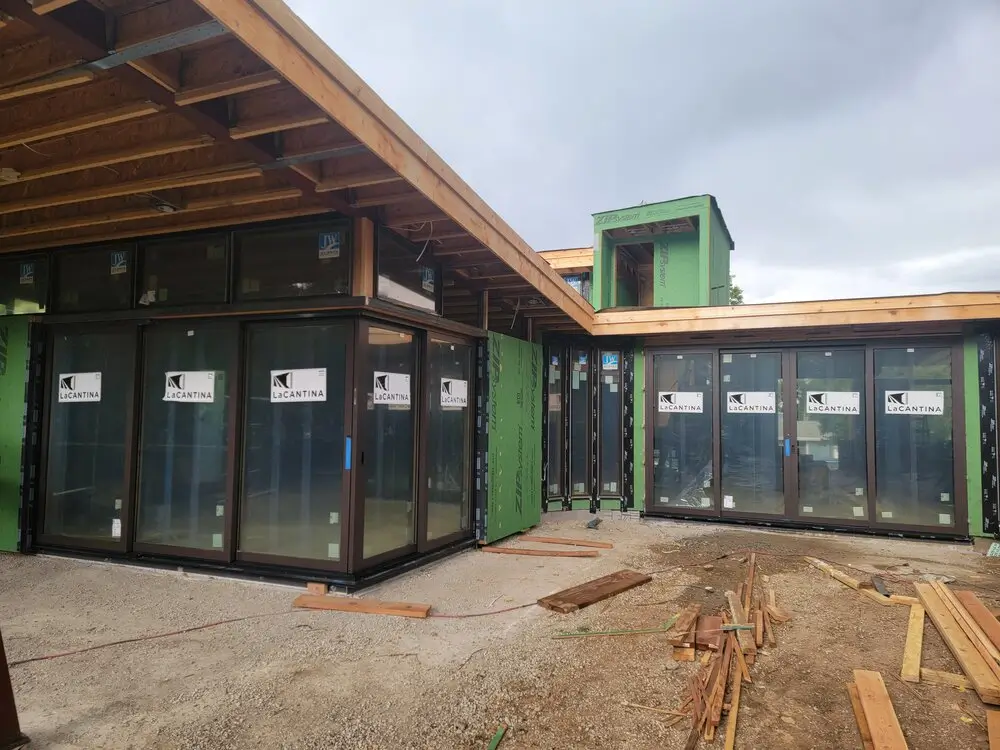
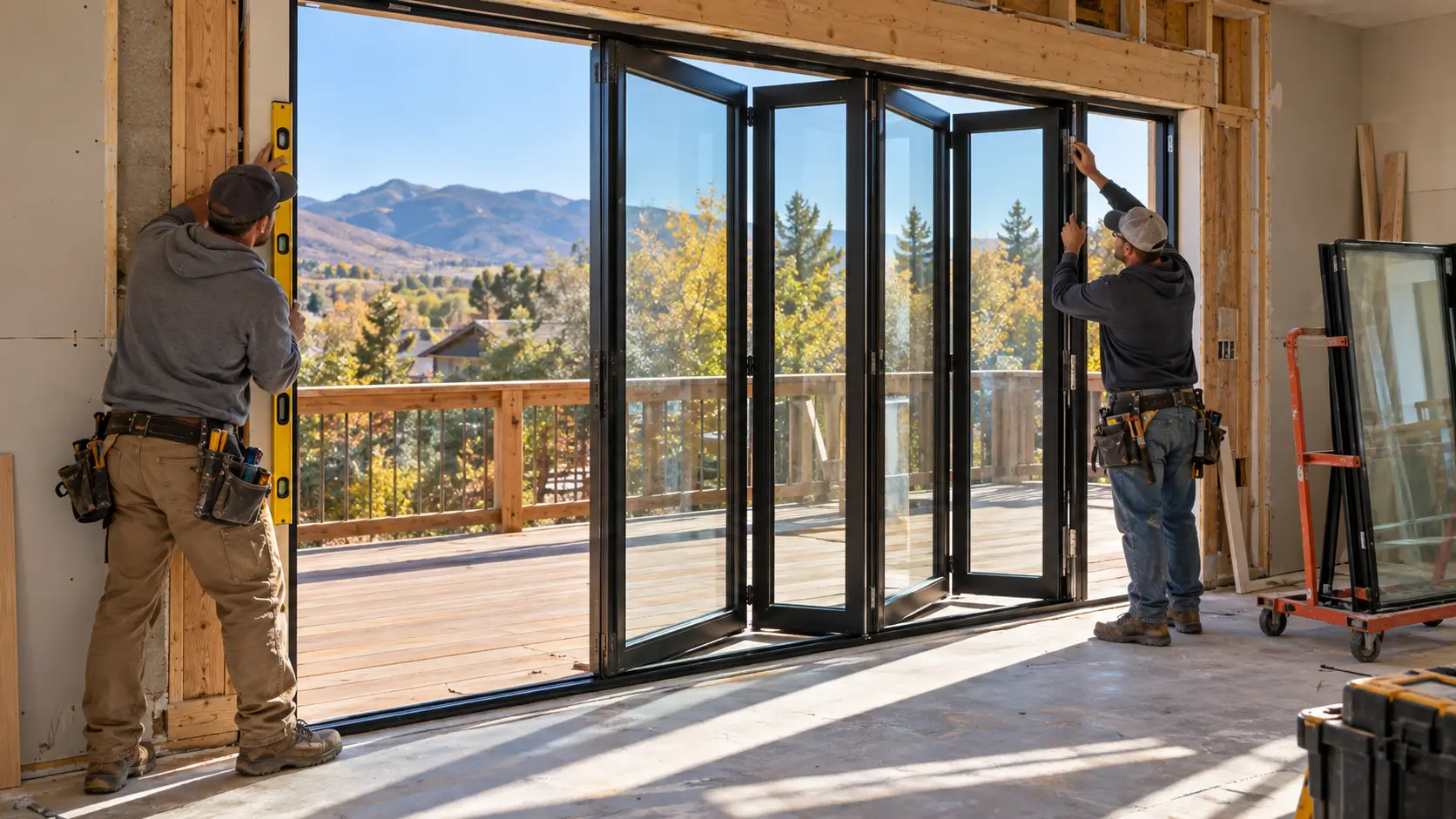
Windows are the most flexible exterior project — they can be installed nearly year-round — but mild shoulder seasons (spring and fall) are ideal so caulk and foam sealants cure well. Because each opening is exposed only briefly, pros install windows even in colder months. Still, extreme cold can affect sealant performance, so spring and fall hit the sweet spot of comfort and cure quality. For the specs that matter here, see our guide to energy-efficient windows for Colorado’s climate and the cost of window replacement in Denver.
How Colorado’s hail season changes your timing
Colorado is one of the most hail-prone states in the country, so timing exterior work around hail season — roughly April through September — matters as much as the weather. In 2025, Colorado recorded 244 major hail events (hailstones one inch or larger), ranking 6th nationally (Insurance Information Institute).
Two timing strategies help: schedule a roof and siding inspection in early spring to catch issues before hail season, and choose Class 4 impact-resistant shingles so a replacement stands up to the next storm. After a major hailstorm, contractor schedules fill fast — see our guide to hail damage repair and insurance.
The off-season advantage: pricing and availability
The best-weather months are also the busiest and most expensive, so booking in the shoulder seasons — early spring or late fall — can mean shorter waits and better pricing. Demand for roofing and siding peaks in summer and right after hail events. If your project isn’t an emergency, scheduling in the quieter shoulder months often gets you a contractor’s full attention and more flexible scheduling, while still landing in workable weather.
How far ahead should you schedule?
Plan several weeks to a few months ahead for non-emergency work, and sooner if a storm just hit. Book inspections in early spring, line up your contractor and materials before peak season, and don’t wait until the first snow to address a known problem. Getting quotes early also gives you time to compare materials — impact-resistant shingles, durable siding, and efficient windows — without the pressure of an emergency.
Frequently asked questions
What is the best month to replace a roof in Colorado?
Late spring through early fall — roughly May through September — is best, because shingles need warmth to seal and dry weather to avoid delays. Summer offers the most predictable conditions but is the busiest and priciest time.
Can you replace a roof in winter in Colorado?
Yes, but it’s harder. Cold temperatures can keep asphalt shingles from sealing properly, and snow causes delays. Emergency winter replacements happen, but for planned work, warmer months are safer.
When is the cheapest time to replace windows or siding?
The shoulder seasons — early spring and late fall — tend to offer better availability and pricing because demand is lower than in peak summer, while the weather is still workable.
Should I replace my roof before or after hail season?
Ideally before, with Class 4 impact-resistant shingles, so your new roof can withstand storms. If hail already caused damage, schedule promptly — contractor demand spikes right after major storms.
How far ahead should I schedule an exterior project?
Several weeks to a few months for planned work. Book inspections in early spring and secure your contractor and materials before the summer rush.
The bottom line
In Colorado, the best time to replace your roof, siding, or windows is late spring through early fall for weather, with the shoulder seasons offering pricing and scheduling advantages — all planned around hail season. Pair good timing with durable, impact-resistant materials and you’ll protect your home and your budget. Ready to plan your project? The Install Company handles roofing, siding, and window replacement across Denver and the Front Range.
Sources
- This Old House — Roof Replacement Cost in Colorado (2026) — retrieved 2026-07-15
- Insurance Information Institute — Facts + Statistics: Hail — retrieved 2026-07-15