Drafts from windows can make a home feel uncomfortable and be more difficult to regulate temperature, especially during colder months. In many cases, those drafts point to underlying issues that affect both comfort and energy efficiency. Understanding why drafts occur is the first step toward creating a more consistent indoor environment. With the right approach, homeowners can reduce temperature fluctuations, improve comfort, and better protect their living space year-round.
Why Cold Drafts from Windows Are So Common in Winter
Cold drafts are more noticeable in winter because colder temperatures amplify air leaks, making existing window issues harder to ignore and more disruptive to overall indoor comfort.
Why Drafty Windows Feel Worse During Cold Weather
Drafty windows become more noticeable in cold weather because the temperature difference between indoors and outdoors is often much greater than it would be in the summer. That incoming cold air lowers surface temperatures around the window, which can make a room feel colder even when the heat is running. Fixing these issues helps stabilize indoor temperatures and significantly improves comfort during the winter months.
Main Reasons Cold Air Comes Through Windows
Cold air entering through windows often signals underlying issues. Understanding the leading causes helps homeowners identify problems early, improve comfort, and enhance energy efficiency during colder months.

Failed Window Seals and Broken Insulated Glass
Failed window seals and damaged insulated glass are common causes of drafty windows. When seals break down, the barrier that keeps cold air out and warm air in is compromised. This allows outside air to move through the window assembly, making rooms feel colder during winter months.
Inspecting windows for visible damage, condensation between panes, or loose framing can help identify seal failures early. Addressing these issues rather than relying on temporary fixes improves insulation, reduces drafts, and restores indoor comfort.
Gaps Around Window Frames and Poor Installation
Drafty windows often result from gaps around window frames and poor installation. If your windows aren’t snugly fitted, cold air can easily seep in. Check for visible gaps or cracks, which can result from improper measurements or insufficient sealing materials. Ensuring your windows are correctly installed and sealed will considerably reduce drafts and improve your home’s energy efficiency.
Old or Inefficient Window Designs
Many homes still have outdated or inefficient window designs that don’t meet modern energy standards. Single-pane glass and outdated frames allow cold air to seep in, making your space uncomfortable and increasing your energy bills. If you notice drafts, it’s time to consider upgrading to energy-efficient windows. These options provide better insulation, keeping your home warm and reducing energy costs.
How to Tell If Your Windows Are Letting in Cold Air
Recognizing when windows are allowing cold air inside is essential for maintaining comfort. By spotting signs and testing for drafts, homeowners can take proactive steps toward better insulation and efficiency.
Common Signs of Drafty Windows in Winter
Drafty windows in winter often manifest as subtle yet persistent comfort issues. Paying attention to these signs can help homeowners recognize potential problems early.
- A noticeable chill near windows, even when the heating system is running consistently
- Cold spots are forming around frames, sills, or nearby floors
- Condensation or fogging on interior glass surfaces
- Increased outdoor noise filtering inside the home
- Uneven room temperatures that feel difficult to regulate
- Rising heating costs without changes in usage
Simple Ways to Check for Window Drafts
Identifying window drafts doesn’t require specialized tools or professional equipment. A few easy checks can quickly reveal if there’s cold air coming through windows.
- Hold a lit candle or incense near the edges and corners of the window and watch for flickering flames or drifting smoke
- Slowly move your hand along the frame to feel temperature changes
- Check seals and weatherstripping for visible gaps or wear
- Observe curtains or blinds moving without airflow sources
- Test on windy days when drafts are more noticeable
How to Stop Window Drafts (Short-Term vs Long-Term Solutions)
Not all window draft solutions are created equal. Some fixes offer temporary relief during cold weather, while others address the root cause of the problem. Understanding the difference between short-term fixes and long-term repairs helps you decide when a quick solution is enough and when it’s time to invest in a more permanent fix.
Temporary Fixes for Insulating Windows in Winter
Drafty windows in winter can make a cozy home uncomfortable, but there are quick, effective temporary fixes to help seal leaks:
- Using weatherstripping tape
- Applying plastic window insulation kits
- Hanging thermal curtains.
These solutions block cold air, keeping your space warmer without a significant overhaul. Try them for immediate relief!
When Fixing Drafty Windows Requires Professional Help
While temporary fixes can provide an immediate solution to windows letting in cold air, some situations call for a more permanent solution. If gaps, rot, or structural issues persist, it’s best to consult a professional. They can assess the damage, recommend appropriate repairs, or replace the windows altogether, helping you eliminate drafts and improve your home’s long-term energy efficiency.
When Window Replacement Is the Best Solution
Sometimes, the best way to tackle cold drafts from windows is to replace them entirely. New windows not only eliminate cold drafts more effectively, but they also enhance your home’s energy efficiency.
Why New Windows Eliminate Cold Drafts More Effectively
If you’re tired of battling cold drafts in your home, new windows can be a game-changer. Modern windows feature advanced insulation materials and energy-efficient designs that effectively seal gaps. They reduce heat transfer, keeping your living space warmer in the winter. By investing in new windows, you’ll enjoy a more comfortable home while reducing your energy bill. It’s a win-win!
Is Window Replacement Possible During Winter?
Replacing your windows in the winter might seem challenging, but it’s often a smart move. Winter installation is beneficial, as it allows you to address draft issues immediately. Many contractors are available during this season, and modern window technology guarantees quick, efficient installations. Plus, you’ll enjoy improved energy efficiency and comfort throughout the cold months ahead.
How Professional Window Installation Solves Draft Problems for Good
Professional window installation provides lasting solutions to draft issues by ensuring precise measurements, proper sealing, and expert techniques that enhance comfort, efficiency, and long‑term home performance.
Precision Measurements and Proper Sealing
Achieving a snug fit for your windows starts with precision measurements and proper sealing, ensuring that every gap is addressed. When professionals install your windows, they measure each frame meticulously to eliminate potential leaks. They use high-quality sealants that expand and contract with temperature changes, keeping your home comfortable. This attention to detail not only prevents drafts but also enhances your windows’ overall performance.
Long-Term Comfort, Energy Savings, and Peace of Mind
Properly installed windows can dramatically enhance your home’s long-term comfort and energy efficiency. By eliminating drafts, you’ll notice a more stable indoor temperature, reducing your reliance on heating and cooling systems. This not only leads to significant energy savings but also gives you peace of mind, knowing your investment is secure. Choose a professional installation to enjoy lasting benefits for years to come.
Fixing Cold Drafts from Windows the Right Way
Stopping cold drafts isn’t just about plugging gaps. It’s about addressing the underlying cause. While temporary fixes like weatherstripping, caulk, or thermal curtains can reduce airflow, they don’t always solve problems caused by failed seals or aging window assemblies. Understanding when basic fixes are sufficient and when more comprehensive repairs or replacement are needed helps homeowners avoid repeating the same issues year after year.
Final Thoughts on Drafty Windows
Tackling cold drafts from your windows is essential for a cozy home and lower energy bills. By understanding the causes and identifying the signs, you can take practical steps to seal those pesky gaps around window frames. Whether you opt for quick fixes like weatherstripping or consider a long-term solution with new, energy-efficient windows, addressing the issue will enhance your comfort and property value.
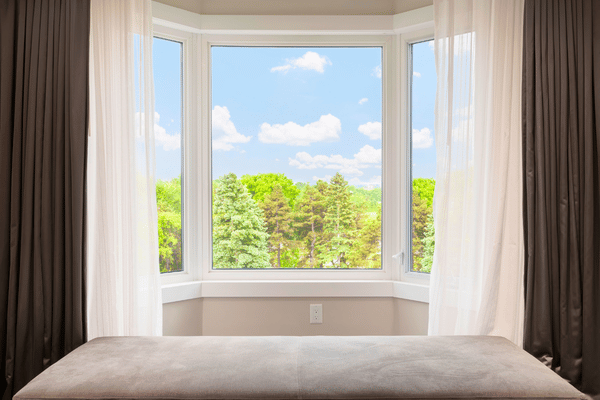
Schedule a professional window assessment with The Install Company to stop cold drafts and improve your home’s comfort this winter.
Frequently Asked Questions
Absolutely, you can prevent window drafts with DIY methods! Using weatherstripping, caulking, or applying window film can significantly reduce drafts. It’s a cost-effective way to enhance your comfort and energy efficiency at home.
You should check your windows for drafts at least twice a year, preferably in fall and spring. This way, you can catch any issues early, ensuring your home stays comfortable and energy-efficient throughout the seasons.
You’ll notice signs of poor window installation if you see gaps around the frames, difficulty opening or closing windows, or water leaks. These issues can lead to drafts, reduced energy efficiency, and potential damage over time.
Yes, you’ve got plenty of energy-efficient window options. Look into double or triple-pane windows, low-E glass, and insulated frames. These features can greatly reduce heat loss, saving you money on energy bills while increasing comfort.
Yes, window treatments can effectively reduce drafts. By using heavy curtains, thermal blinds, or insulating shades, you’ll create an extra barrier against cold air, helping to keep your space warmer and more comfortable.