Choosing the right roofing material is one of the most important decisions a homeowner can make. Your roof isn’t just a design feature; it’s your home’s first line of defense against weather, wear, and time.
With so many roofing options available today, from traditional asphalt shingles to modern metal and premium slate, it’s easy to feel overwhelmed. Each option offers distinct benefits in cost, durability, and appearance. Understanding why certain roofing materials remain popular helps homeowners make confident, informed choices that protect their investment while enhancing curb appeal for years to come.
When planning a new roof, homeowners often evaluate different roofing options for value and appeal. Asphalt shingles are popular for affordability, metal roofing for durability, and clay tiles for timeless charm. Every roofing option carries unique benefits that shape long-term performance, which is why homeowners need to know the types of roof materials that they have available to them.
Understanding why homeowners choose these materials highlights what matters most in your roofing decision: cost, strength, or style. Let’s take a closer look at the types of roofing materials available for your home.
Asphalt Shingles: Why This Classic Roofing Choice Still Dominates
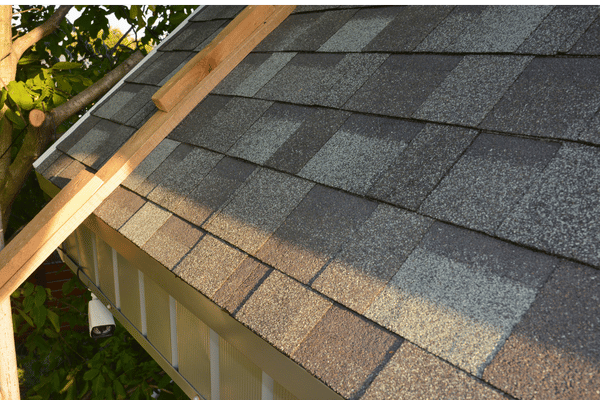
Asphalt shingles remain a top choice for many homeowners due to their impressive lifespan and reliable performance. Let’s explore why this classic roofing material continues to dominate the market.
Lifespan and Performance
Asphalt shingles are a durable, cost-effective roofing choice that lasts 20 to 30 years. They perform reliably in harsh weather conditions while balancing longevity and aesthetic appeal. As one of the most popular materials, they provide homeowners with substantial value and dependable protection for their investment.
When Asphalt Is the Right Fit
Asphalt shingles suit homeowners seeking affordability, style, and practicality. Easy to install, they come in a variety of colors and designs, boosting curb appeal. Their durability against varying weather makes them a versatile option, offering reliable performance and attractive aesthetics for many residential properties.
Metal Roofing Systems and Their Rising Popularity Among Modern Homeowners
Metal roofing systems are gaining traction among homeowners like you, thanks to their durability and sleek aesthetic. With a variety of metal panel types and styles available, you can easily find an option that suits your taste and needs. Here is what you need to know about metal types of roofing:
Types of Metal Panels and Styles
Metal roofing comes in a variety of panel types and styles, each offering unique benefits in appearance and performance. Homeowners can select this different type of roofing from the options that balance aesthetics, durability, and cost-effectiveness:
- Standing Seam Panels – Sleek, modern, and highly durable, these panels feature raised seams that lock together, providing superior weather resistance and a clean architectural look.
- Corrugated Panels – Known for their classic wavy design, corrugated panels are affordable, lightweight, and ideal for rustic or industrial aesthetics.
- Metal Shingles and Tiles – Designed to mimic traditional materials such as wood, slate, and clay, these panels combine timeless style with the strength and longevity of metal.
Climate and Efficiency Benefits
Metal roofing is not only stylish but also highly efficient, offering climate-related advantages that make it a wise long-term investment. Its properties help homeowners save energy and reduce environmental impact:
- Reflective Surface – Metal roofs reflect heat, keeping homes cooler and reducing air conditioning use.
- Insulation Support – Proper underlayment retains winter warmth, effectively lowering heating costs.
- Durability and Longevity – Long-lasting roofs reduce waste, support sustainability, and lower the carbon footprint.
- Eco-Friendly Materials – Many metal roofs contain recycled content and are fully recyclable at the end of their service life.
Clay and Concrete Tiles: Durability and Design Rooted in Centuries of Architecture
When considering clay and concrete roof tiles, it’s essential to understand their key differences. Each material offers unique benefits in durability and aesthetics, but it also has specific structural requirements to consider. Here are the key factors to keep in mind about tile roofing materials:
Differences Between Clay and Concrete
Clay and concrete tiles both bring unique qualities to roofing, but their differences can influence your choice. Each material suits specific needs and architectural styles:
- Clay Tiles – Clay tiles offer exceptional longevity. They are lighter in weight but more fragile, requiring careful handling during installation. Their warm, earthy tones complement Mediterranean or Spanish-style homes.
- Concrete Tiles – Heavier and more durable, concrete tiles offer design versatility and cost-effectiveness. They can mimic a range of textures and colors, making them adaptable to both modern and traditional architecture.
Structural Requirements
Clay and concrete tiles require strong structural support due to their durability and weight. Proper installation ensures safety and long-term performance:
- Reinforced Framework – Strong trusses or rafters prevent sagging and support heavy tile loads.
- Professional Installation – Skilled installers ensure secure placement, preventing damage and maximizing durability.
- Weight Considerations – Concrete requires robust framing; clay is lighter but still needs stability.
Wood Shakes and Shingles: A Natural Look With Timeless Appeal
When choosing wood shakes or shingles for a different roofing type, it is crucial to understand the differences between the two. The following factors are worth keeping in mind if you are considering these popular types of roofing materials:
Shakes vs. Shingles
Wood shakes offer a rustic, handcrafted charm, while shingles provide a smoother, uniform look. Both deliver natural beauty and durability, but your choice depends on your budget, climate, and style preferences to ensure lasting satisfaction with your roof.
Maintenance Expectations
Proper care preserves wood shakes or shingles. Inspect regularly for damage, mold, or pests, and clean twice yearly to remove debris. Applying a protective sealant every few years enhances durability, keeping your roof attractive and functional in the long term.
Slate Roofing: Premium Performance Backed by Long-Term History
Weighing the benefits of natural versus engineered slate is essential when considering slate roofing. Both options offer unique advantages, but also have specific weight and installation requirements. Slate roofing materials have some pros and cons to consider as well, such as:
Natural vs. Engineered Slate
Natural slate delivers unmatched beauty and durability, elevating your home’s aesthetic. Engineered slate offers a lighter, more affordable option that mimics the look of stone. Choosing between them depends on budget, desired appearance, and long-term maintenance needs for lasting roofing satisfaction.
Weight and Installation Needs
Slate roofing requires strong structural support due to its heavy weight. A robust framing system is essential, and installation demands skilled professionals familiar with slate techniques. Though labor costs may rise, proper installation ensures durability and maximizes your home’s appeal.
Synthetic Roofing Materials: The Future of Versatile, High-Performance Roof Design
Synthetic materials offer an extensive range of styles and options to meet your specific needs. In many cases, these innovative products outperform traditional roofing choices in durability and efficiency. When looking at the types of roofing synthetic materials are popular for a number of reasons:
Material Types and Styles
Synthetic roofing offers durability and versatility, with options such as artificial slate, rubber, and thermoplastic membranes. These materials mimic traditional styles while remaining lightweight, weather-resistant, and low-maintenance. With a range of colors and textures, homeowners can easily match aesthetics while enjoying reliable, long-lasting performance.
When Synthetic Outperforms Traditional Options
Synthetic roofing often surpasses traditional materials in durability, weather resistance, and ease of maintenance. It replicates the look of wood or slate without their drawbacks. By choosing synthetic, homeowners gain energy efficiency, longevity, and aesthetic appeal, making it a practical, cost-effective solution for modern residential needs.
Glass Roofing Solutions: Modern Aesthetics and Natural Light for Contemporary Homes
If you’re looking to enhance your home with modern aesthetics and abundant natural light, glass roofing solutions might be the perfect fit. This unique material roofing option also has some key points to consider:
Types of Glass Systems
Glass roofing systems elevate aesthetics while maximizing natural light, offering homeowners versatile options to suit different needs:
- Tempered Glass – Highly durable and safe, designed to withstand impact and resist breakage.
- Laminated Glass – Provides added insulation and noise reduction, ideal for energy-conscious homes.
- Skylights – Introduce natural light into interior spaces, enhancing openness and ambiance.
- Glass Panels – Offer design flexibility, creating seamless transitions between indoor and outdoor areas for a modern, stylish look.
Energy and Safety Considerations
Energy efficiency and safety are critical when selecting glass roofing solutions, ensuring comfort and protection:
- Insulated Glass – Helps maintain indoor temperatures, reducing heating and cooling costs.
- Reflective Coatings – Minimize solar heat gain to improve energy performance.
- Shatter-Resistant Properties – Modern glass options protect against accidents and extreme weather.
- Durability – Long-lasting materials reduce replacement needs, offering both sustainability and peace of mind.
Best Applications for Residential Spaces
Glass roofing works beautifully in residential settings, enhancing ambiance and functionality:
- Sunrooms – Flood spaces with natural light, creating inviting relaxation areas.
- Atriums – Highlight architectural features while connecting indoor and outdoor environments.
- Open-Concept Living Areas – Brighten interiors, making rooms feel larger and more welcoming.
- Modern Homes – Combine visual appeal with energy efficiency, making glass roofing a popular choice for contemporary design.
What Influences Homeowners Most When Choosing a Roof?
When homeowners evaluate roof materials, they often prioritize durability, cost, and aesthetic appeal. Consider energy efficiency and maintenance requirements. Local climate also plays an essential role, influencing your choice based on weather conditions. Additionally, recommendations from friends or contractors can affect your decision, helping you choose a roof that fits your needs and enhances your home’s value.
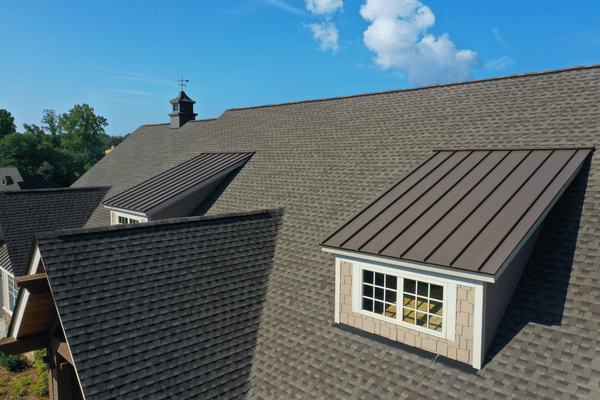
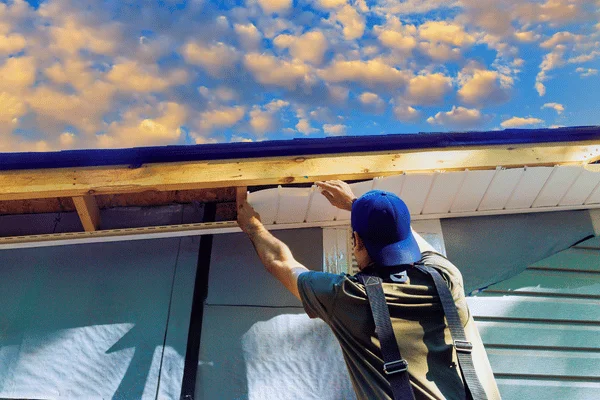
Professional roofing services ensure your roof is installed or replaced correctly, safely, and in compliance with building codes. Experienced contractors understand material-specific requirements, from proper underlayment to ventilation and flashing details. This expertise helps prevent common issues such as leaks, premature wear, and structural damage.
Most importantly, a professionally installed roof provides long-term reliability, manufacturer warranty protection, and peace of mind. Investing in expert roofing services means your roof performs as intended, protects your home, and maintains its value for decades to come.
How Do Today’s Roofing Trends Compare With Past and Future Expectations?
Today’s roofing trends reflect a significant evolution from what homeowners favored in the past, driven by advancements in materials and design. You’ll notice a shift toward eco-friendly options, energy efficiency, and modern aesthetics. Looking ahead, expect even more innovation with innovative roofing technologies and sustainable practices. The types of roofing materials are always shifting, changing, and improving, so it is essential that homeowners know what options are available to them!
Which Roofing Materials Offer the Best Long-Term Value? Expert Insights
Choosing the right roofing material can significantly impact your home’s value over time. Materials like metal, slate, and tile offer durability and energy efficiency, making them excellent long-term investments. They withstand harsh weather and require less maintenance, saving you money over time. Opting for these high-quality options not only enhances your curb appeal but also boosts your property’s resale value.
How to Match the Right Roof to Your Home’s Architecture and Climate
Selecting the right roof for your home is essential for both aesthetic harmony and functional performance. Consider your home’s architectural style and select roof materials that complement it. Next, evaluate your climate; for instance, metal roofs handle heavy snow, while tile roofs perform well in hot climates. Balancing these factors guarantees your roof looks great and performs effectively throughout the seasons.
Working with a local roofing professional is another step that can make a world of difference. A local perspective offers advantages that national companies often can’t match. Local contractors understand regional climate challenges, building codes, and common roofing issues specific to your area. This knowledge ensures your roof is designed to handle local weather conditions effectively.
Local professionals are also more accessible, responsive, and invested in their reputation within the community. They rely on word-of-mouth referrals and long-term relationships, which often translates to higher-quality workmanship and customer care. Choosing a local roofer means personalized service, faster support, and reassurance when you need it.
Final Thoughts on Roofing Material Options
In choosing the right roofing material, you’re balancing aesthetics, durability, and value. Whether you prefer the affordability of asphalt shingles, the modern appeal of metal, or the timeless elegance of clay tiles, each roofing option offers distinct benefits to enhance your home. Stay informed about trends and expert insights to make the best choice for your needs.
From concept to completion, The Install Company brings your project to perfection.
Let’s build something remarkable. Connect with The Install Company today and learn more about the types of roofing materials available in the area today.
Frequently Asked Questions
What Is the Average Lifespan of Different Roofing Materials?
The average lifespan of roofing materials varies. Asphalt shingles typically last 20-30 years; metal roofs can endure 40-70 years, while slate and tile often exceed 50 years. Choosing wisely can enhance your home’s longevity and value.
How Do Roofing Materials Impact Energy Efficiency?
Roofing materials significantly affect energy efficiency through heat absorption and insulation. By choosing reflective or well-insulated options, you can reduce energy costs and improve comfort in your home, making it more sustainable and economical.
Are There Eco-Friendly Roofing Options Available?
Yes, there are eco-friendly roofing options available. You can choose materials like metal, recycled shingles, or green roofs. These options reduce environmental impact, improve energy efficiency, and often include incentives for homeowners looking to adopt sustainability.
How Can Homeowners Finance a New Roof?
You can finance a new roof through options like home equity loans, personal loans, or financing plans offered by contractors. Research rates and terms to find the best fit for your budget and needs.
What Maintenance Does Each Roofing Type Require?
Different roofing types require various maintenance. You’ll need to inspect shingles for damage, clean gutters regularly, and check metal roofs for rust. Each material has specific needs, so staying proactive helps prolong your roof’s lifespan.