Key Takeaways
- Do your exterior prep in fall, before the first hard freeze — clear gutters, inspect the roof and flashing, seal drafts, and check siding and caulk.
- Water damage and freezing is the second most common homeowners insurance claim, averaging $15,400 (Insurance Information Institute) — much of it preventable with fall maintenance.
- Air sealing plus insulation saves about 15% on heating and cooling (11% on total energy) (ENERGY STAR).
- Ice dams are mainly an insulation and ventilation problem, not a gutter problem — the real fix is a properly insulated, ventilated attic.
- Colorado’s freeze-thaw cycle is the enemy — trapped water freezes, expands, and pries at gutters, shingles, and caulk all winter.
Colorado winters are hard on a home’s exterior in a way milder climates never see: water freezes and thaws dozens of times, high-altitude sun degrades sealants, and heavy snow loads test every roofline. A few hours of fall maintenance prevents the expensive winter surprises — ice dams, overflowing gutters, and water finding its way behind siding. Here’s the exterior checklist to run before the first hard freeze.
Why Colorado winters demand exterior prep
Colorado’s freeze-thaw cycle — water freezing, expanding, thawing, and refreezing dozens of times each winter — is what breaks gutters, lifts shingles, and cracks caulk. Combine that with heavy snow loads and intense high-altitude UV, and small unaddressed problems become big ones by spring. The financial stakes are real: water damage and freezing is the second most common homeowners insurance claim, hitting about 1.5% of insured homes a year at an average of $15,400 per claim (Insurance Information Institute).
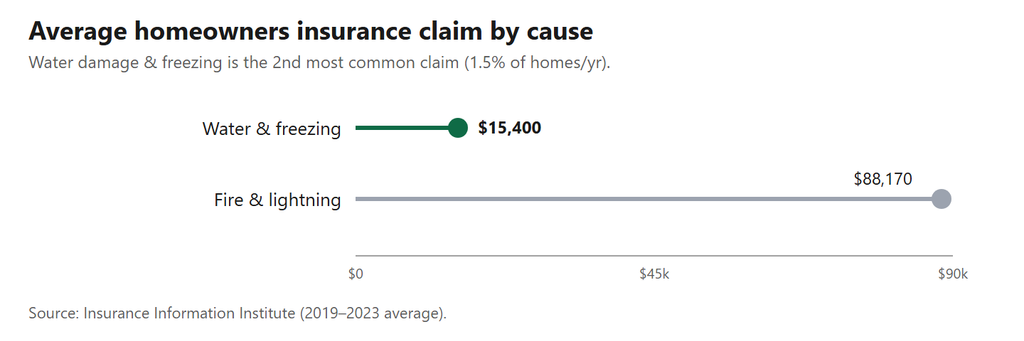
Water damage claims are smaller than fires but far more common — and much of it is preventable with fall exterior prep.
Clean and check your gutters
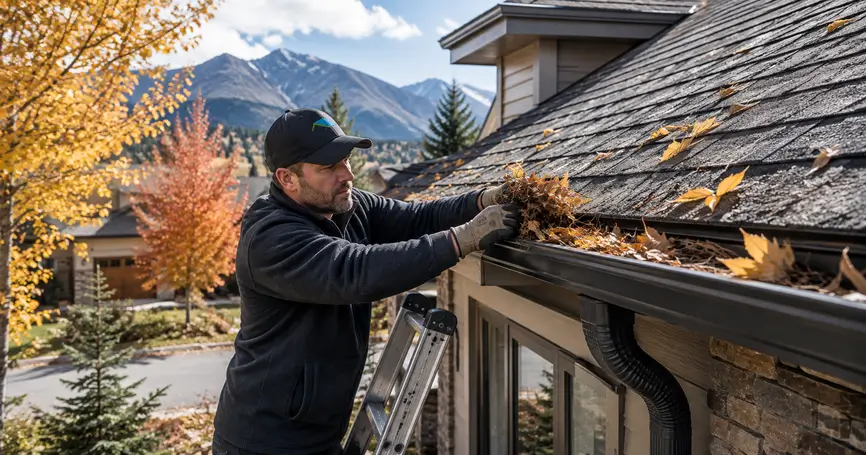
Clear every gutter and downspout of leaves and debris before winter — clogged gutters overflow and freeze, feeding ice dams and sending water against your foundation. In Colorado’s freeze-thaw climate, a clogged gutter becomes a block of ice that pulls fasteners loose and forces meltwater behind the fascia. Flush the downspouts, confirm they drain away from the foundation, and re-secure any loose sections. If cleaning twice a year is a chore, consider gutter protection when you upgrade your gutters, soffit, and fascia.
Inspect the roof, shingles, and flashing
Check the roof before the first snow: look for lifted, cracked, or missing shingles and damaged flashing around chimneys, vents, and valleys — these are where winter leaks start. High-altitude UV ages shingles faster in Colorado, and last summer’s hail may have left damage you can’t see from the ground. Addressing it in fall avoids emergency repairs mid-storm. If you spot significant wear, our roof replacement cost guide for Denver covers your options, and our hail damage and insurance guide explains what may be covered.
Seal window and door drafts
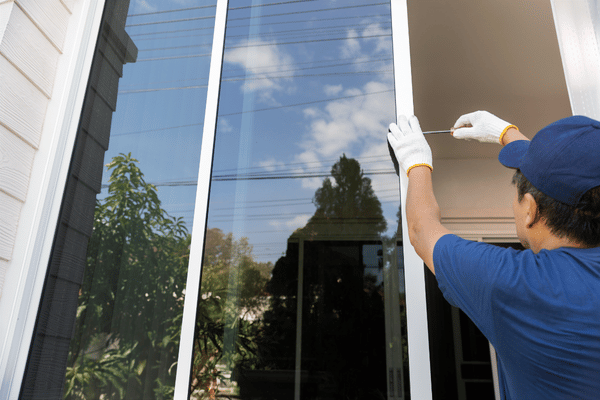
Re-caulk gaps and replace worn weatherstripping around windows and doors — air sealing plus insulation saves about 15% on heating and cooling costs (11% on total energy), per ENERGY STAR. Colorado’s temperature swings crack old caulk, letting warm air leak out and cold air in.
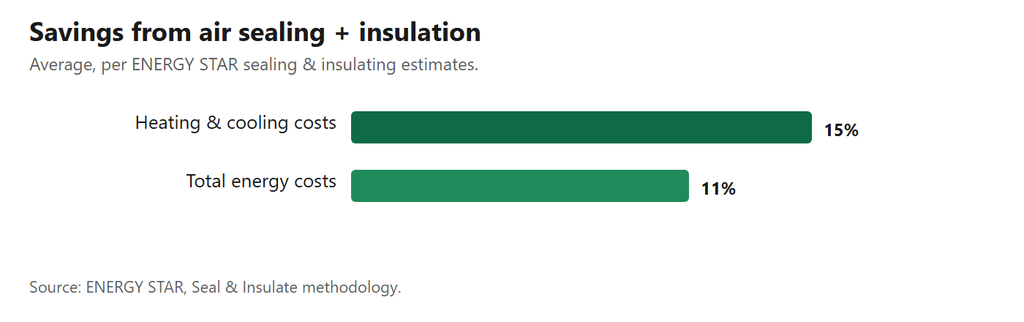
Sealing air leaks is one of the cheapest, highest-return fall projects — and it makes the whole house more comfortable in winter.
If your windows still feel cold after sealing, the glass itself may be the problem — see why your windows feel drafty.
Check siding, soffit, fascia, and caulk lines
Walk the exterior and look for cracked caulk, gaps at trim, and loose or damaged siding, soffit, and fascia — these are entry points for winter moisture. Re-caulk seams and joints while temperatures are still mild enough for sealant to cure. Pay special attention to penetrations (hose bibs, vents, lights) where water can sneak behind the cladding.
Confirm attic insulation and ventilation
The real fix for ice dams is a well-insulated, well-ventilated attic — not the gutters. Ice dams form when heat escaping through the roof melts snow that then refreezes at the cold eaves. Adequate attic insulation keeps the roof deck cold, and proper ventilation lets any warm air escape before it melts snow unevenly. Confirm insulation depth and clear soffit and ridge vents before winter — see how attic ventilation protects your home.
Your fall exterior checklist
Run this quick list before the first hard freeze:
- Clean gutters and downspouts; confirm they drain away from the foundation.
- Inspect the roof for lifted, cracked, or missing shingles and damaged flashing.
- Re-caulk and re-weatherstrip windows and doors.
- Check siding, soffit, fascia, and all caulk lines and penetrations.
- Confirm attic insulation depth and clear ventilation.
- Disconnect and drain garden hoses; shut off exterior spigots.
- Trim branches away from the roof and gutters.
Frequently asked questions
How do I prepare my home’s exterior for winter in Colorado?
Clean gutters, inspect the roof and flashing, seal window and door drafts, check siding and caulk, and confirm attic insulation and ventilation — all before the first hard freeze. These steps prevent ice dams and water damage.
How do I prevent ice dams?
Focus on the attic, not the gutters. Ice dams form from heat escaping through the roof, so proper attic insulation and ventilation are the real fix. Keeping gutters clear helps meltwater drain, but insulation and ventilation do the heavy lifting.
Should I clean gutters before winter?
Yes. Clogged gutters overflow and freeze in Colorado’s climate, feeding ice dams and pushing water against the foundation. Clear them and flush downspouts every fall.
When should I winterize my home in Colorado?
In the fall, before the first hard freeze — typically September into October along the Front Range — while temperatures are still mild enough for caulk and sealants to cure.
What exterior maintenance matters most before snow?
Gutter cleaning, a roof and flashing inspection, sealing drafts, and confirming attic insulation and ventilation. Together they prevent the most common and costly winter damage.
The bottom line
A few hours of fall exterior maintenance — gutters, roof, drafts, siding, and attic — protects your Colorado home from the freeze-thaw damage that drives costly winter insurance claims. The highest-return steps are also the cheapest: clearing gutters and sealing air leaks. Want a professional inspection before the snow flies? The Install Company handles roofing, siding, gutters, and windows across Denver and the Front Range.
Sources
- Insurance Information Institute — Facts + Statistics: Homeowners and Renters Insurance — retrieved 2026-07-15
- ENERGY STAR — Seal & Insulate Methodology — retrieved 2026-07-15