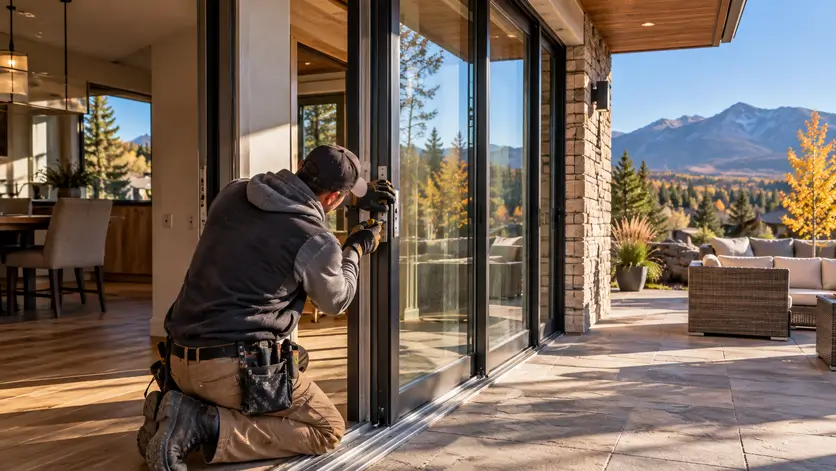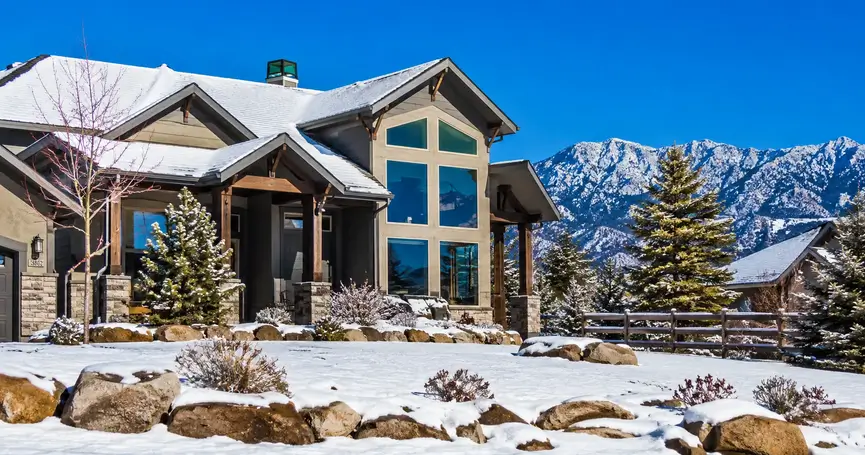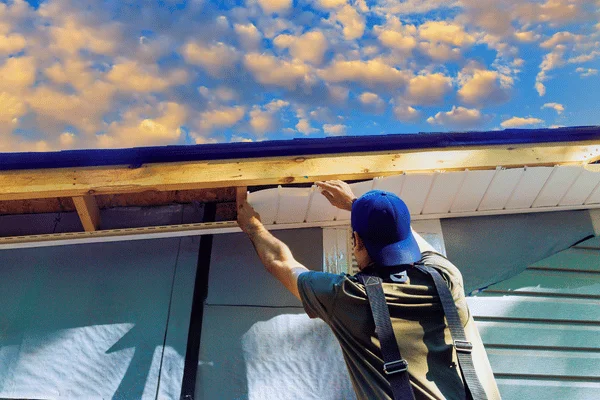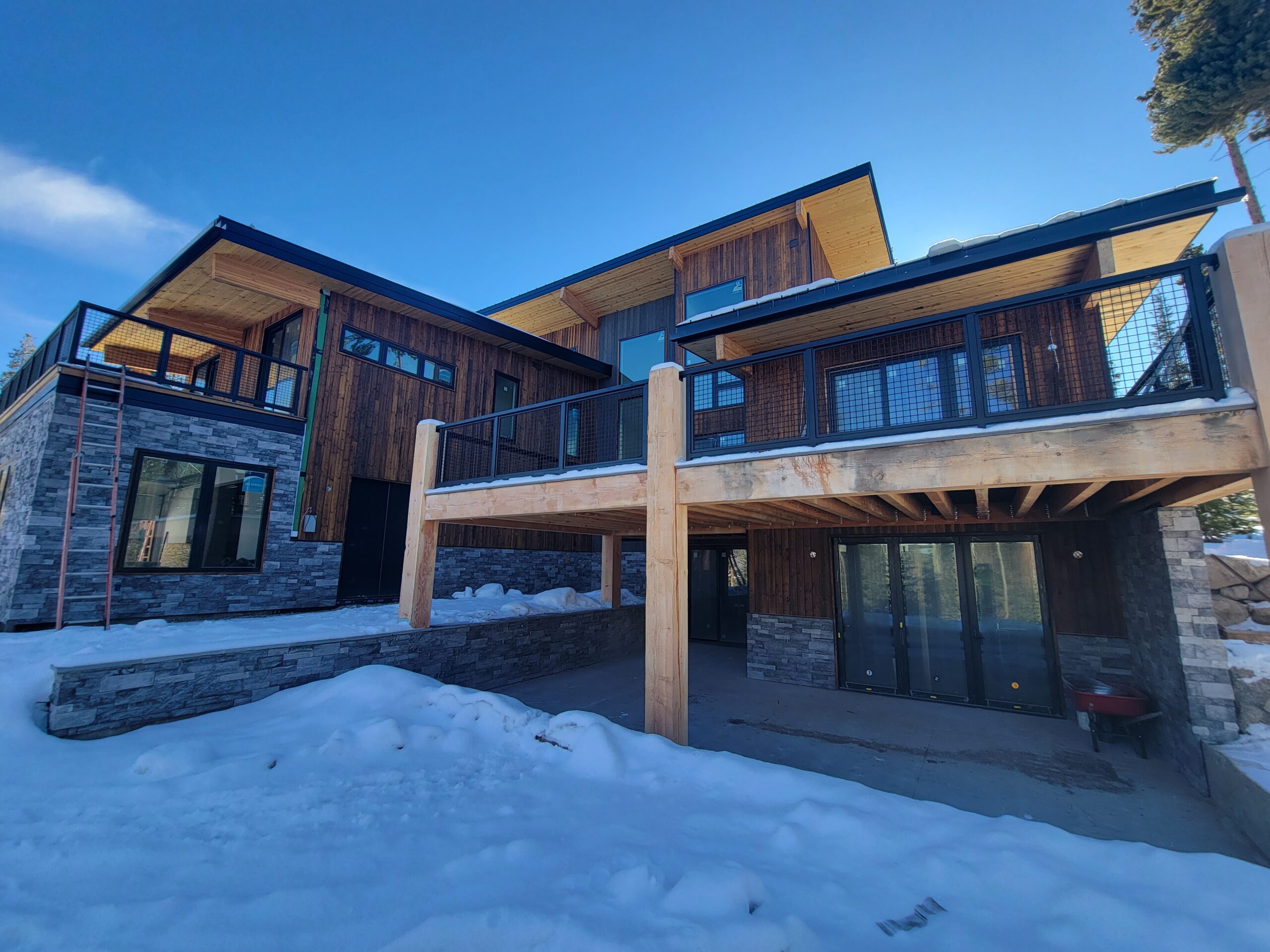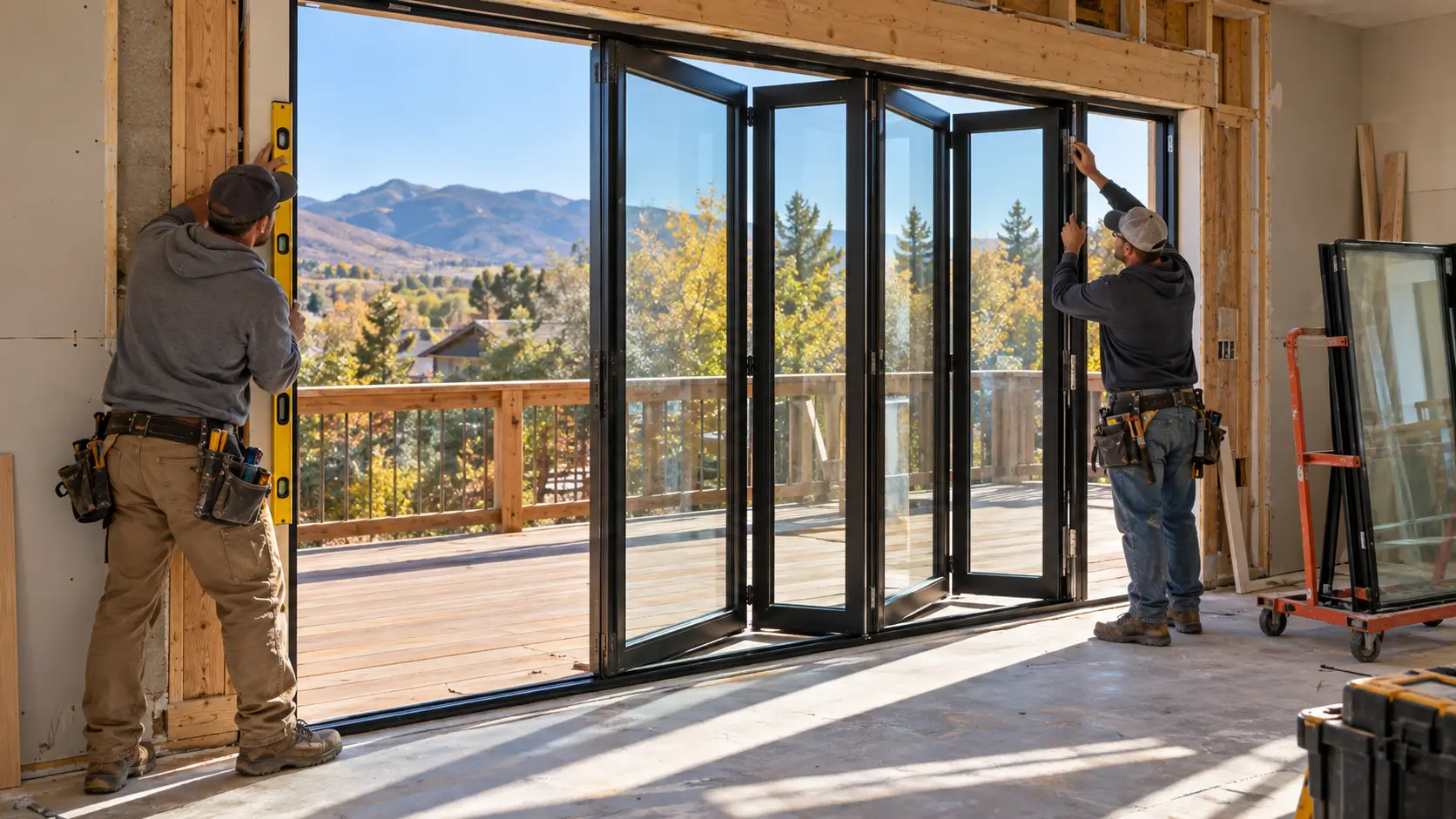
The May 30, 2024 Denver hailstorm caused an estimated $1.9 to $3.0 billion in damage. That made it Colorado’s second costliest hail event in recorded history, per NOAA’s National Centers for Environmental Information. If your home was in the path of that storm or any Front Range hailstorm since, you’re likely looking at damaged shingles, dented siding, or both — and wondering what your insurance will actually pay.
Most homeowners don’t know where to start. Do you call your insurer first? Get a contractor out? What will you owe out of pocket? This guide answers all of it: what Colorado homeowners insurance covers for hail damage siding repair in Denver and roof claims, how your deductible works, and the exact steps to file a claim and get paid fairly. We handle both siding repair in Denver and roofing — which means we see this process from both sides, every storm season.
Key Takeaways
- Denver recorded 48,357 hail insurance claims in just three years (2016–2018), per the National Insurance Crime Bureau
- Most Colorado HO-3 policies cover sudden hail damage — but ACV vs. RCV coverage determines how much you actually receive
- Percentage-based deductibles (1–2% of home value) mean $4,000–$10,000+ out of pocket for most Denver homeowners
- Get an independent contractor inspection before calling your insurer — it protects your claim scope from day one
- Class 4 impact-resistant materials pay back their upgrade cost in under 2.5 years through insurance premium discounts
Why Does Denver Have One of the Worst Hail Problems in the Country?
In the three years from 2016 to 2018, Colorado ranked second nationally for hail loss claims, with Denver alone filing 48,357 claims during that period, according to the National Insurance Crime Bureau’s analysis published by the Insurance Information Institute. That’s not a fluke. Denver sits in one of the most persistently hail-active corridors in North America.
HailScore.com, citing NOAA NEXRAD radar data from 2015 to 2025, recorded 5,268 hail events within a 15-mile radius of Denver over that 10-year span. That works out to roughly 527 hail events per year near the city — and many of those events produce stones large enough to damage roofing and siding materials.
The Front Range hail season runs from April 15 through September 15, according to NOAA and COHailClaims.com. The peak danger window is late May through late June, with June consistently the highest-frequency month statewide. So if you’ve been through a Denver spring, you already know the pattern: clear morning, building clouds by noon, and hail by 3 p.m.
The trend is getting worse. NWS Denver recorded 34 baseball-sized hail events in 2023 — nearly three times the 12 recorded in 2019. Bigger stones mean more damage per event, and more roof and siding replacements per storm season.
Your wallet feels it beyond the repair costs. As of February 2026, the Colorado Division of Insurance reported that hail is the number one driver of Colorado homeowners insurance premium increases, which have risen approximately 100% since 2018. Hail accounts for 26–54% of homeowners insurance premium costs along the Front Range, according to the same Colorado DORA reporting.
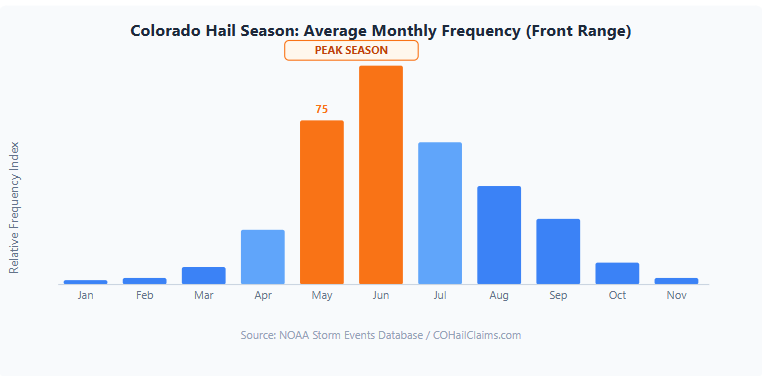
| X-axis: Jan–Dec | Y-axis: Relative frequency index 0–100 | Peak months: May (75) and Jun (100) highlighted in orange | Source: NOAA Storm Events Database / COHailClaims.com |
Denver is one of the most hail-active metro areas in the country. Between 2016 and 2018, the city recorded 48,357 hail insurance claims — and Colorado ranked second nationally by total hail losses, per the National Insurance Crime Bureau (Insurance Information Institute, 2024). Hail season runs April through September, with the peak danger window from late May through late June.
Does Colorado Homeowners Insurance Actually Cover Hail Damage?
Yes — standard HO-3 homeowners insurance policies cover sudden hail damage to roofs and siding as a named covered peril. In 2023, wind and hail together accounted for 34–41% of all U.S. homeowners insurance property damage claims, according to the Insurance Information Institute’s Facts + Statistics report. That makes hail one of the most common triggers for a claim in the country.
So what does your policy actually cover? Standard coverage includes sudden hail damage to your roof surface and shingles, gutters, siding panels, windows, and exterior HVAC units. If a hailstorm hits and damages those surfaces, your insurer is generally on the hook.
What’s NOT covered is just as important to understand. Pre-existing wear and tear doesn’t qualify. Some policies include cosmetic-only damage exclusions. And damage older than your policy’s filing window — typically one to two years in Colorado — can be denied.
ACV vs. RCV: the difference that costs thousands
Here’s where most homeowners get surprised. Not all policies pay the same way, even for covered damage.
ACV (Actual Cash Value) means your insurer pays what your roof or siding is worth today, after depreciation. Not what it costs to replace. On a 15-year-old roof, that number shrinks fast.
RCV (Replacement Cost Value) means your insurer pays the full cost to replace with like materials. The difference on a 15-year-old roof can be $4,000–$8,000, per industry standard depreciation schedules. That’s real money, and it comes directly out of your pocket if you have ACV coverage.
In 2024, State Farm alone paid $521 million in Colorado hail damage claims, ranking the state fourth nationally (Western Slope Now, citing State Farm data, 2024). Insurers are paying. The question is how much they pay you specifically.
One more Colorado-specific item: the state does not require insurers to match undamaged siding. Only sections that were actually damaged must be replaced. If hail hit one wall of your house, you may end up with mismatched panels — unless your policy includes a matching endorsement or you negotiate otherwise.
[PERSONAL EXPERIENCE] When our crews inspect a home after a major Denver hailstorm, one of the first things we check is the policy type. An ACV policy on a 15-year-old roof can leave a homeowner with $6,000–$8,000 less than they expected. It’s worth a 10-minute call to your agent before you file — just to know which kind of policy you’re working with.
For a full overview of your material options, see our siding repair Denver service page covering fiber cement, LP SmartSide, and vinyl.
Standard Colorado homeowners insurance (HO-3) covers sudden hail damage to roofs and siding. However, ACV (Actual Cash Value) policies deduct depreciation from payouts — on a 15-year-old roof with a $20,000 replacement cost, that can mean receiving $10,000–$12,000 instead of the full amount. RCV policies pay the full replacement cost, making them significantly more valuable in hail-prone Denver.
How Much Will You Actually Owe? Understanding Colorado’s Hail Deductibles
Most Denver homeowners don’t realize their hail deductible isn’t a flat $1,000 or $2,500. It’s typically 1–2% of the insured value of their home, which on a $400,000 policy means $4,000–$8,000 out of pocket before insurance pays a dollar. That catches a lot of people off guard mid-claim.
The math is straightforward once you know how it works. Multiply your home’s insured value by your deductible percentage. The table below shows what that looks like across common home values:
| Home Insured Value | 1% Deductible | 1.5% Deductible | 2% Deductible |
|---|---|---|---|
| $300,000 | $3,000 | $4,500 | $6,000 |
| $400,000 | $4,000 | $6,000 | $8,000 |
| $500,000 | $5,000 | $7,500 | $10,000 |
| $600,000 | $6,000 | $9,000 | $12,000 |
Check your declarations page — that’s where your hail deductible percentage lives. Don’t assume it’s a flat dollar amount just because it was a flat amount on your previous policy.
How the two-check payment system works (RCV policies)
If you have RCV coverage, expect two separate checks. The first check covers the initial approved scope of work, minus your deductible. Your contractor starts work. When the project is complete, you submit paid receipts to your insurer and receive the second check — the depreciation holdback that was withheld from the first payment. Don’t sign any contractor agreement that waives your right to that second check.
When it may not be worth filing
What if your damage estimate comes in close to your deductible? Filing may trigger a premium increase of 5–40%, depending on your carrier and claims history, with little net financial gain. As of 2026, hail accounts for approximately 26–54% of Colorado homeowners premium costs along the Front Range, per Colorado’s Division of Insurance. Your rate is already reflecting hail risk. Adding a claim on top of a near-deductible repair can cost more in the long run.
For reference, Denver roof replacement after hail typically runs $10,000–$22,000, with most homeowners paying $14,000–$18,000 (Ideal Roof & Exterior Pros, 2025). Full siding replacement in Colorado runs $12–$20 per square foot, or $15,000–$45,000 for a complete home (GS Exterior Experts, 2025). Those numbers are well above most deductibles — which makes filing worthwhile in most major-damage situations.
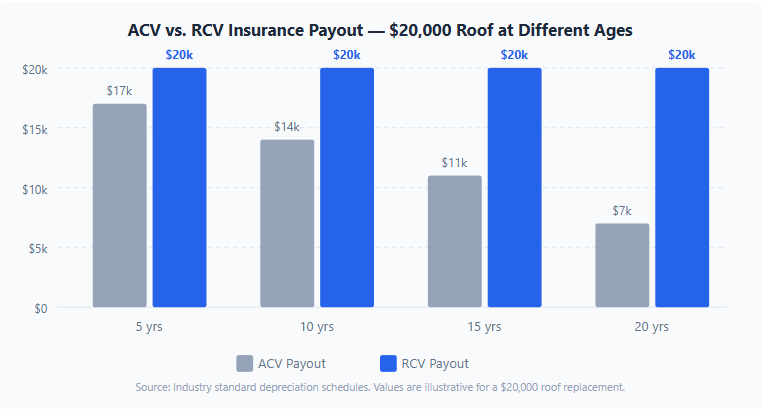
| Two bars per roof age: ACV (gray) vs. RCV (blue at $20k) | Ages: 5, 10, 15, 20 years | Source: Industry standard depreciation schedules (illustrative) |
Colorado’s percentage-based hail deductibles catch most homeowners off guard. A home insured for $500,000 with a 2% hail deductible means $10,000 out of pocket before insurance activates — far more than the $1,000–$2,500 flat deductible many homeowners assume they have. Understanding this before you file prevents financial surprises mid-project.
How Do You File a Hail Damage Insurance Claim in Denver, Step by Step?
Filing within your policy window is required — most Colorado policies allow 6–12 months from the storm date, with a minimum one-year window under Colorado law. But the smartest move is starting documentation the same day damage occurs. Waiting even a week makes your documentation weaker and your scheduling position worse.
Here are the eight steps, in order:
- Document everything the same day. Photograph every affected surface at close range and from multiple angles. Note the exact storm date and time. Then download the official NOAA storm report for your zip code at ncei.noaa.gov — this gives you documented proof of the weather event, which adjusters accept.
- Get an independent contractor inspection first — before calling your insurer. An independent inspection by a licensed contractor documents damage that adjusters often miss or undervalue. This inspection forms the basis for any supplement requests later. Don’t skip this step.
- Call your insurer. Open the claim. Get your claim number and adjuster assignment confirmed in writing.
- The adjuster inspection. Under normal post-storm conditions, expect 1–3 weeks for your adjuster to arrive. After a major storm like May 2024, backlog stretches to 4–8 weeks. You can’t rush this, but filing early gets you ahead in the queue.
- Review the estimate carefully. Compare the adjuster’s scope line by line against your independent inspection. Every item the adjuster missed becomes a supplement request. Missing items are far harder to add after the initial estimate is approved.
- Choose your contractor. Avoid out-of-state storm chasers who mass-canvass Denver neighborhoods after major hail events. Look for a Colorado-licensed contractor with a verifiable local address and documented reviews. Ask for their license number before signing anything.
- Work begins. Your contractor coordinates with the insurer. The first check covers the initial approved scope, minus your deductible.
- Final payment (RCV policies only). After work is complete, submit paid receipts to receive the depreciation holdback. That’s your second check — and you’re entitled to it.
Denver roof insurance claims take 6–8 weeks from inspection to first payment under normal conditions. After a major storm, expect 10–16+ weeks (Abraham Benson Roofing’s Denver claims process guide, 2024).
One thing we see repeatedly: homeowners who call their insurer before getting an independent inspection end up with a lower settlement. The insurer’s adjuster sets the initial claim scope — and whatever they miss on day one is much harder to add later. An independent inspection first costs you nothing but changes your negotiating position significantly.
Our roofing services Denver page covers what to expect from a licensed contractor through the full claims process.
Denver homeowners filing hail damage claims should get an independent contractor inspection before calling their insurer — not after. Adjuster estimates set the initial claim scope, and missed items require supplements that take additional weeks to resolve. Per Abraham Benson Roofing (2024), the full process from inspection to first payment takes 6–8 weeks normally, and 10–16 weeks after major hail events.
What Does Hail Damage Actually Look Like on a Roof and Siding?
In 2023, NWS Denver recorded 34 baseball-sized hail events — nearly triple the 12 events in 2019. Most of that damage isn’t visible from the street. Hail damage is rarely obvious from the ground, and that’s exactly why it gets missed. Professional inspection is the only reliable way to document damage that qualifies for an insurance claim. So what are inspectors actually looking for when they get up on your roof?
On your roof, look for:
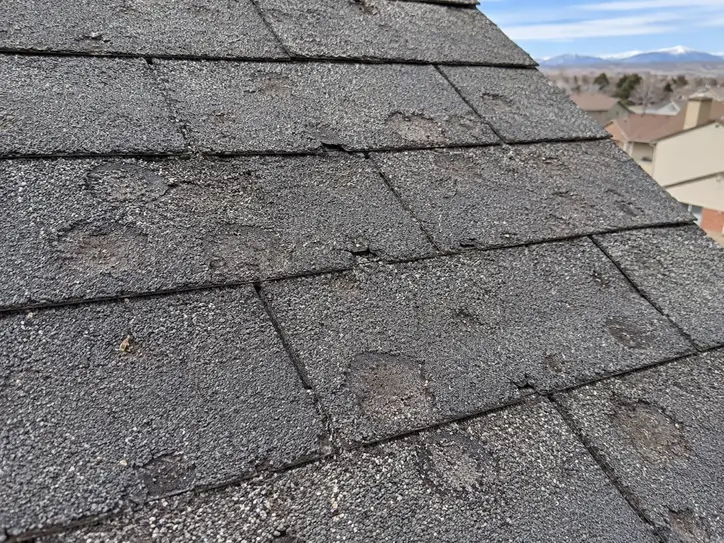
- Circular bruising or soft spots on shingles. Press with your thumb — a healthy shingle has firm resistance. A hail-bruised shingle feels soft, like a bruised piece of fruit.
- Granule loss. Check your gutters after a storm. Excessive granule accumulation means shingle surfaces have been compromised and are losing their UV and weather protection.
- Cracked, split, or fractured shingles. Larger hailstones leave clean fracture lines across the surface.
- Dented metal flashing, ridge caps, and roof vents. Metal components show hail impact clearly and are part of your claim.
On your siding, look for:
- Round dents in vinyl siding panels — the clearest hail signature on vinyl.
- Hairline cracks in fiber cement (James Hardie) panels. These cracks let moisture in and worsen over time.
- Separated panel seams from impact compression.
- Chipped paint or surface fractures on engineered wood siding.
- Dents in aluminum siding, which shows impact more visibly than other materials.
Hidden damage is the real risk. Moisture intrusion behind siding may not appear for weeks after the storm. Sub-sheathing damage under a roof may only show up during heavy rainfall — well after the visible surface damage is repaired. This is exactly why a complete inspection matters, not just a quick visual from the ground.
[PERSONAL EXPERIENCE] Our crews inspect at roof level — not from the ground with binoculars. In our experience, adjusters who do ground-level inspections in high-demand periods miss an average of 15–25% of actual damage area. That gap becomes your supplement battle later.
If you’re dealing with siding repair in Denver after a hailstorm, our service page covers materials, timelines, and what the insurance coordination process looks like.
Hail damage to roofs and siding often isn’t visible from street level. Key indicators include soft spots on asphalt shingles, granule accumulation in gutters, hairline cracks in fiber cement siding panels, and dented metal flashing. Hidden moisture intrusion behind siding and sub-sheathing damage under roofing materials can take weeks to manifest — making a full professional inspection essential.
Should You Upgrade to Class 4 Impact-Resistant Materials?
If you’re replacing your roof or siding after a hail claim anyway, upgrading to Class 4 impact-resistant materials costs $1,500–$3,000 more upfront but earns 20–32% discounts on your Colorado homeowners insurance premium. That translates to $800–$1,200 per year in savings — paying back the upgrade cost in under 2.5 years (RoofVista, 2024–2025). In a city with Denver’s hail frequency, that math is hard to argue with.
What does Class 4 actually mean? It’s the UL 2218 impact resistance standard — materials tested to withstand a two-inch steel ball dropped from 20 feet without cracking. That’s the highest hail resistance rating available for residential materials.
For roofing, Class 4 asphalt shingles (like GAF Timberline HDZ or Owens Corning Duration Storm) add $1,500–$3,000 above standard shingle cost. Metal roofing qualifies as well. For siding, LP SmartSide engineered wood, fiber cement (James Hardie), and steel siding all outperform standard vinyl in impact resistance tests.
Colorado makes this discount mandatory. State statute CRS 10-4-110.8 requires insurers to offer discounts for impact-resistant roofing materials. Major carriers including State Farm, Farmers, USAA, and Allstate all offer 10–35% reductions for Class 4 materials (RoofVista, 2024–2025).
The ROI calculation is simple: a $2,000 upgrade cost divided by $1,000 in annual premium savings equals a two-year payback. In a city that averages multiple significant hail events every year, this is one of the most defensible home improvement investments a Denver homeowner can make.
Want to compare your options before deciding? See our breakdown of metal roof vs asphalt shingles Denver or explore our full roofing services Denver.
Colorado statute CRS 10-4-110.8 requires insurers to offer discounts for Class 4 impact-resistant roofing materials. Denver homeowners who upgrade earn 20–32% premium discounts — approximately $800–$1,200 per year — recovering a $2,000 upgrade cost in under two years. Major carriers including State Farm, Farmers, and USAA offer these discounts (RoofVista, 2024–2025).
| Get a Free Hail Damage Inspection — Roof and Siding in One VisitMost Denver contractors inspect only your roof or your siding — not both. The Install Company inspects your entire exterior in a single visit, so you get one complete damage report for your insurance claim instead of two separate appointments.Schedule Your Free Hail Damage Inspection → |
Frequently Asked Questions
Does homeowners insurance in Colorado cover full siding replacement after hail?
Insurance covers damaged sections — but Colorado does not require insurers to match undamaged siding, so you may end up with mismatched panels unless you negotiate full replacement or have a policy endorsement. RCV policies cover replacement cost; ACV policies deduct depreciation, which on 10-year-old siding can reduce the payout by 30–50%. See our full breakdown of siding replacement cost in Colorado for what to budget.
How long does a hail damage insurance claim take in Denver?
Under normal conditions, the process from independent inspection to first insurance payment takes 6–8 weeks in Denver. After a major hail event — like the May 2024 storm that caused $1.9–$3.0 billion in damage — adjuster backlogs push timelines to 10–16 weeks or longer. Filing and documenting promptly keeps your place in line.
Will my insurance premium go up if I file a hail claim in Colorado?
Possibly — premium increases of 5–40% are common depending on your carrier and claims history. If your damage estimate is close to your deductible amount, it may cost less out of pocket to pay for repairs without filing and avoid the rate increase. Ask your agent to run both scenarios before you decide.
What is the difference between ACV and RCV coverage for hail damage?
ACV (Actual Cash Value) pays the depreciated value of your roof or siding — what it’s worth today, not what replacing it costs. RCV (Replacement Cost Value) pays the full replacement cost using like materials. On a 15-year-old roof with a $20,000 replacement cost, ACV might pay $10,000–$12,000 while RCV pays the full $20,000 (minus your deductible).
How do I find a trustworthy hail damage contractor in Denver?
Avoid out-of-state storm chasers who canvass Denver neighborhoods after major hail events. Look for a Colorado-licensed contractor with a verifiable local address, confirmed reviews, and experience working with insurance adjusters on scope and supplements. Ask to see their Colorado contractor license number before signing anything.
What is the deadline to file a hail damage insurance claim in Colorado?
Colorado law requires insurers to allow a minimum one-year window to file a hail damage claim. Most policies allow 6–24 months from the storm date — check your declarations page. After a major storm, adjuster capacity books up quickly, so the sooner you file, the better your scheduling position.
What to Do Right Now
Here’s what this guide comes down to:
- Denver’s hail season (April through September) puts roofs and siding at risk every year. The May 2024 storm alone caused $1.9–$3.0 billion in damage across the metro.
- Most Colorado HO-3 policies cover sudden hail damage, but percentage-based deductibles mean $4,000–$10,000+ out of pocket depending on your home’s insured value.
- Get an independent contractor inspection before calling your insurer. It protects your claim scope and prevents the adjuster’s first pass from becoming the final word.
- Class 4 impact-resistant materials pay back their upgrade cost in under 2.5 years through insurance premium discounts — and Colorado statute CRS 10-4-110.8 mandates that your insurer offer that discount.
- Filing takes 6–16 weeks. Start documentation the day of the storm.
If you’re unsure what you’re dealing with, start with a free inspection. For context on what full exterior work costs, see our guide on siding replacement cost in Colorado.
Questions about your specific damage? The Install Company offers free exterior inspections — roof and siding in one visit. Contact us here to schedule.
The Install Company has served Denver homeowners for 35+ years as an ICC Class C licensed exterior contractor. We inspect and repair both roofing and siding — the only Denver contractor who covers both exterior surfaces in a single visit.