Building a deck in Colorado is an exciting way to expand your living space, but understanding the true cost is essential before you begin. In 2026, deck pricing is influenced by more than just square footage, material choices, terrain, labor availability, and local building requirements all play a role.
Colorado’s climate and geography also introduce unique considerations that can affect both construction methods and long-term durability. This guide breaks down what homeowners need to know about deck costs in Colorado, helping you set realistic expectations, plan your budget wisely, and move forward with confidence.
If you are planning a deck project in Colorado in 2026, you’ll need to know how much it’s going to cost. Pricing can vary widely depending on project scope, design choices, materials, labor conditions, and local requirements. Beyond construction, additional considerations often influence the overall investment.
Understanding what generally affects deck costs helps homeowners set realistic expectations, plan budgets, and make informed decisions before proceeding. Let’s take a closer look at deck building costs.
Why Deck Pricing in Colorado Is Different Than Other States
Deck pricing in Colorado often differs from other regions due to local material availability, labor rates, and geographic challenges. Design complexity, square footage, and contractor expertise all influence expenses. Understanding these variations helps homeowners plan more effectively and better anticipate labor costs for building a deck in Colorado compared to other states.
Average Cost to Build a Deck in Colorado in 2026
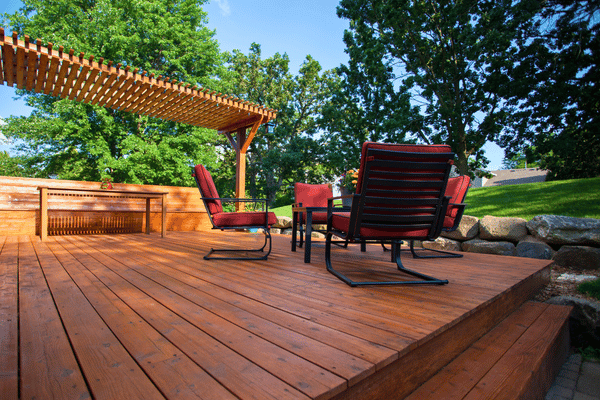
In 2026, homeowners in Colorado can expect average deck prices to range from $15,000 to $25,000. Final expenses depend on deck size, chosen materials, and design complexity. Larger decks with premium finishes naturally increase your investment. Careful budgeting and clear priorities help ensure your deck construction project aligns with both your financial expectations and long-term outdoor living goals.
Cost to Build a Deck Per Sq Ft
When planning to build a deck, understanding the cost per square foot can significantly impact your budget. Factors such as materials and additional features can dramatically affect your total cost.
Small vs Medium vs Large Deck Cost Ranges
Building a deck can elevate your outdoor space, but expenses vary by size:
- Small decks generally range from $2,000 to $5,000.
- Medium decks fall between $5,000 and $10,000.
- Large decks often start at $10,000 and exceed $20,000.
These ranges provide clearer budgeting insight for homeowners planning their projects.
Why Price Per Square Foot Isn’t the Final Number
While knowing the cost ranges for small, medium, and large decks gives you a solid starting point, the price per square foot often doesn’t tell the whole story. Factors such as materials, design complexity, and labor can significantly affect your total cost. Additionally, permits and site preparation add to expenses, so always consider these elements when budgeting for your deck project.
Labor Cost to Build a Deck in Colorado
Understanding deck construction requires factoring in materials, design, permits, and labor. Each element affects costs, making careful planning essential for homeowners when estimating overall project budgets and determining labor costs for a deck build.
What Skilled Labor Covers
Understanding the labor costs of building a deck in Colorado is essential to budgeting your project effectively. Skilled labor encompasses design consultation, material selection, framing, and installation. You’ll benefit from their expertise in ensuring structural integrity and compliance with local codes. Additionally, professionals can help you avoid costly mistakes, making your deck both beautiful and durable.
How Terrain and Access Affect Labor Time
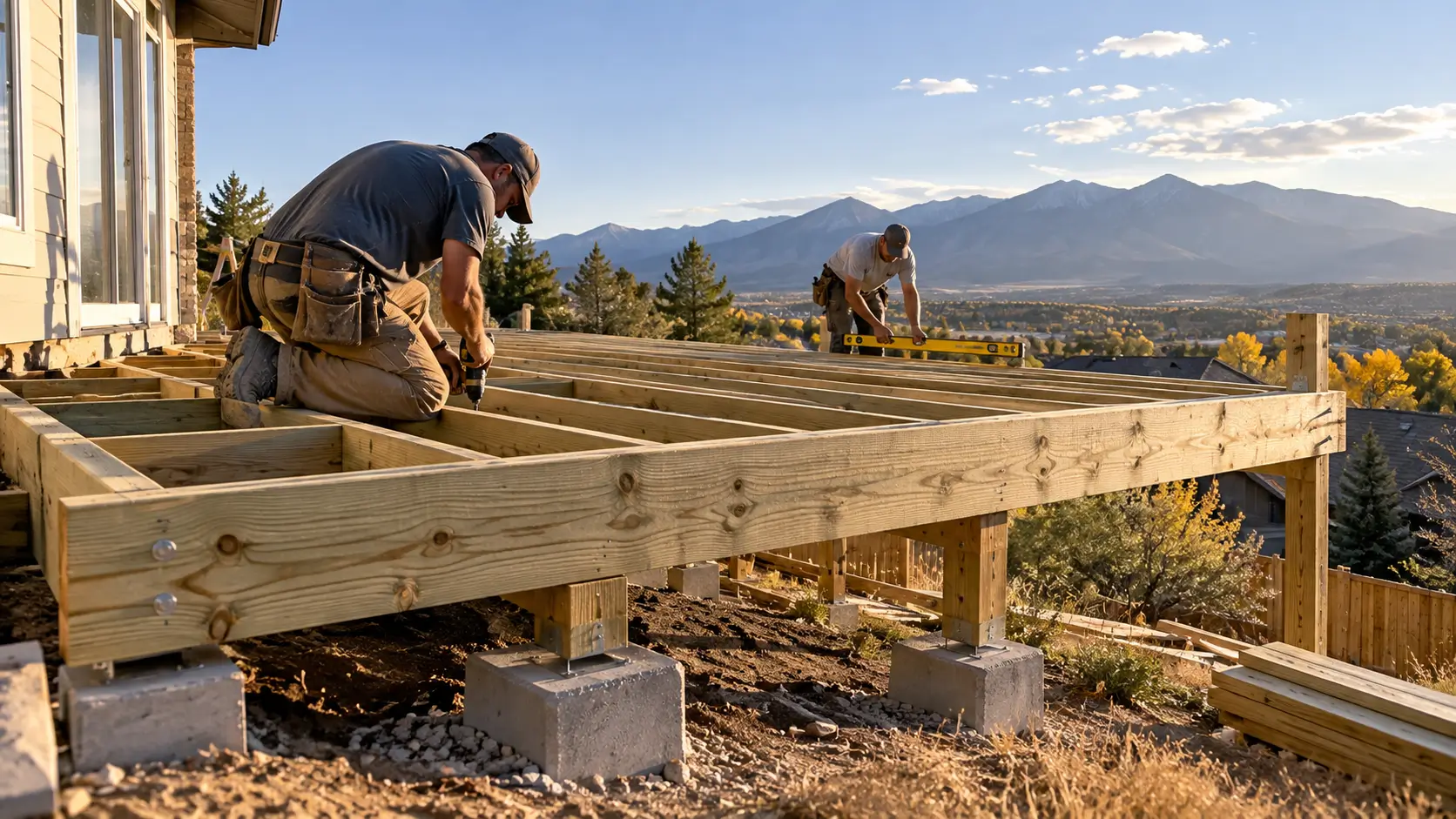
Terrain and access significantly affect labor time and costs to build a deck in Colorado. If your yard has steep slopes or difficult access points, it can increase the time it takes to transport materials and tools, raising labor costs. Conversely, a flat, easily accessible area accelerates the process and reduces overall costs for your deck project.
Materials That Drive Deck Costs Up or Down
Material choices directly affect deck costs. From wood versus composite boards to railings and stairs, each decision impacts the cost to build a deck, durability, maintenance, and overall long-term value.
Pressure-Treated Wood vs Composite Decking
Choosing between pressure-treated wood and composite decking can significantly impact your deck’s overall cost and longevity. Pressure-treated wood is generally more affordable upfront but requires regular maintenance and has a shorter lifespan. On the other hand, composite decking costs more upfront but lasts longer and requires less maintenance. Weigh your budget and desired maintenance level to make the best choice for your deck.
Railings, Stairs, and Structural Upgrades
While you may focus on the surface of your deck, railings, stairs, and structural upgrades can significantly influence your overall costs. Choosing high-quality materials for these elements enhances safety and aesthetics but can substantially increase costs. Consider low-maintenance options or simpler designs to balance functionality with budget. Investing wisely in these features guarantees lasting enjoyment and value for your deck.
How Much to Build a Deck With Permits, Inspections, and Codes in Mind
Factoring permits, inspections, and code compliance into your deck budget is essential. These requirements ensure safety, legality, and durability while helping prevent costly delays or structural issues. Ultimately, they play a significant role in determining how much it will cost to build a deck.
Permit and Inspection Costs Across Colorado
Permit fees in Colorado typically range from $50 to $200, depending on location and deck size. Inspections may add around $100. These costs vary, so always confirm local requirements to budget accurately and avoid surprises during construction.
Why Code Compliance Protects Your Investment
Following building codes prevents fines, delays, and safety risks. Inspections verify your deck’s structural integrity and ensure it meets standards. Compliance enhances durability and resale value, making your investment secure, functional, and financially sound over the long term.
Regional Price Differences Across Colorado
Deck construction costs vary widely across Colorado and are influenced by geography, accessibility, and local market conditions. Understanding these regional differences helps homeowners budget realistically and anticipate location-specific challenges.
Front Range vs Mountain Communities
The Front Range generally offers lower deck construction costs due to competitive labor markets and easier access to materials. Mountain communities, however, often face higher costs due to transportation challenges, limited contractor availability, and logistical complexities that increase overall project budgets.
Urban vs Rural Build Considerations
Urban deck projects may involve stricter zoning rules and higher labor costs, but benefit from readily available materials and skilled contractors. Rural builds often enjoy lower permit fees and more space, though sourcing materials can be difficult, potentially extending timelines and raising costs.
Design Choices That Have the Biggest Impact on Final Cost
Local deck builders understand Colorado’s climate, soil conditions, and permitting requirements, all of which directly affect deck design and cost. From snow load considerations to mountain terrain and Front Range zoning rules, local expertise helps avoid costly mistakes and delays. Working with a Colorado-based professional ensures your deck is built to code, suited to regional conditions, and designed for long-term performance and safety.
Design elements directly affect the cost to build a deck. Material selection, such as wood versus composite, impacts both upfront expenses and long-term maintenance. Custom features such as seating, railings, or lighting add functionality but increase overall cost. Finally, deck size and shape determine labor and material requirements, making thoughtful planning essential to effectively balance budget, durability, and design preferences.
DIY vs Hiring a Professional Deck Builder
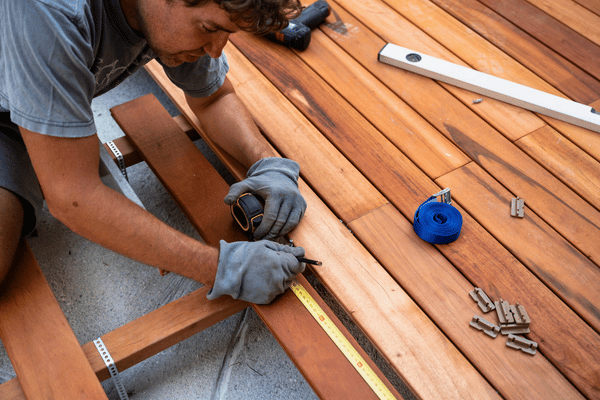
When considering whether to tackle your deck project yourself or hire a professional, weigh the pros and cons carefully. DIY can save you money and give you a sense of accomplishment, but it requires time, effort, and skills. On the other hand, hiring a professional guarantees quality and efficiency but comes at a higher cost. Choose the option that best fits your needs and budget.
How to Budget for a Deck Project Without Surprises
Budgeting for a deck project can sometimes feel overwhelming, but a well-planned approach can help you avoid unexpected costs. Start by determining your budget based on materials and labor. Research local prices and get multiple quotes. Don’t forget to factor in permits and potential landscaping. By anticipating these expenses, you’ll create a more accurate budget and enjoy a smoother building experience.
Deck Building Costs- Final Thoughts
Building a deck in Colorado can be a rewarding investment, but it’s essential to understand the various factors that influence the overall cost to build a deck. By considering the size, materials, and design choices, you can better budget for your project. Whether you choose to tackle it yourself or hire a professional, planning will help you avoid surprises.
Ready to plan your deck with accurate pricing and clear expectations? The Install Company can evaluate your space, materials, and local requirements to provide realistic cost guidance for your Colorado home. Schedule a consultation today and take the next step toward building a durable, well-designed deck you’ll enjoy for years to come.
If you’re considering a new deck and want realistic pricing for your Colorado home, The Install Company can review your space, materials, and local requirements to help you plan with confidence.
Frequently Asked Questions About Deck Costs in Colorado
You probably have a few questions about deck costs in Colorado, and you’re not alone. Let’s tackle these common queries to help you make informed decisions.
1. How long does a deck typically last in Colorado’s climate?
In Colorado’s varied climate, a well-built deck can last for many years. Wood decks typically last 10 to 15 years, while composite decks can last 25 or more years. Material quality, weather exposure, and consistent maintenance significantly influence overall lifespan.
2. Is composite decking worth the higher upfront cost?
Composite decking often costs more initially, but it provides long-term value. It resists moisture, temperature changes, and wear, requiring minimal upkeep. Over time, reduced maintenance, fewer repairs, and more extended durability can offset the higher upfront cost for homeowners.
3. Can deck costs change after construction starts?
Yes, deck costs can change once construction begins. Hidden structural issues, design adjustments, material price changes, or permit requirements may increase expenses. Setting aside contingency funds and maintaining clear communication with your contractor helps manage costs during the building process.
4. What adds the most unexpected cost to deck projects?
Unexpected deck expenses often come from hidden conditions discovered during construction. Structural repairs, soil issues, drainage needs, or updated code requirements can add costs. Custom features, upgrades, or material changes introduced mid-project may also significantly increase the final budget.