Your roof does more than cover your home—it protects everything beneath it. When comparing metal roofs vs. asphalt shingles, homeowners often weigh durability, cost, and long-term performance. Understanding how each material performs in Colorado’s climate can help you choose a roofing solution that balances protection, value, and lasting curb appeal.
Deciding on the right roofing material is a major step in protecting and enhancing your home. The debate between metal roof vs asphalt shingles often centers on durability, cost, and overall design appeal. Each option carries unique qualities that influence long‑term performance and aesthetics. By exploring the broader considerations, you can make a more confident choice. Understanding these differences ensures your roof supports both function and style, while aligning with your home’s needs.
Let’s take a closer look now at what Denver area homeowners should know about the metal roof vs. asphalt shingles debate and where to find the best roofing contractor in the Denver area!
Understanding the Differences Between Metal Roofs and Asphalt Shingles
Exploring roofing choices helps homeowners compare durability, cost, and style. It also makes it easier to find Denver roofing installation services that fit your needs and goals. Understanding metal roofs and asphalt shingles provides clarity, guiding decisions that balance protection, aesthetics, and long‑term value.
What Is a Metal Roof?
A metal roof is a durable and energy-efficient roofing option that’s gaining popularity among homeowners. There are several metal roof benefits, including a longer lifespan compared to asphalt shingles. When considering metal roofing vs. shingles cost, you’ll find that metal roofs may have a higher initial expense but often save you money in the long run. This roofing material comparison highlights the long-term value of investing in a metal roof.
What Are Asphalt Shingles?
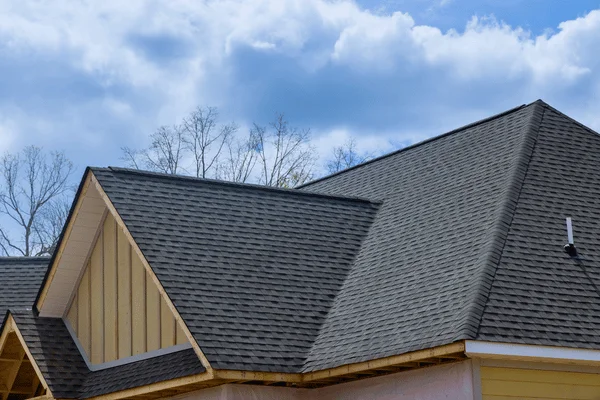
Asphalt shingles are one of the most common roofing materials in North America, prized for their affordability and ease of installation. They come in various styles and colors, allowing you to customize your home’s appearance with the help of local roofing experts. Typically made from fiberglass or organic mat covered with asphalt, these shingles are lightweight and offer decent durability, making them a popular choice among homeowners.
Metal Roof vs Asphalt Shingles Cost Comparison
When evaluating roofing options, cost is often one of the most important factors for homeowners. Understanding how expenses vary between materials helps guide smarter long‑term decisions.
Average Metal Roof Cost
While considering roofing options, you’ll find that the average metal roof cost typically ranges from $5 to $12 per square foot, depending on the type of metal and installation complexity. Keep in mind that while the initial investment may be higher than that of asphalt shingles, metal roofs often provide long-term savings due to their durability and energy efficiency. Pricing also can vary if you use a roofing contractor in the Denver area or go out of the area.
Asphalt Shingle Roof Cost
On the other hand, asphalt shingles are a more budget-friendly roofing option, typically costing between $3 to $7 per square foot. This lower price makes them appealing for homeowners looking to save money up front. Additionally, installation costs are generally lower than those for metal roofs, which can further enhance their affordability. You’ll find asphalt shingles widely available, making them easy to source.
Long-Term Cost Considerations
When evaluating roofing options, it’s important to look beyond the initial price and consider how each material performs over time. Key points include:
- Upfront Affordability – Asphalt shingles are cheaper initially, appealing to budget‑conscious homeowners.
- Replacement Frequency – Shingles typically last 15–30 years, so replacements are needed more frequently.
- Extended Lifespan – Metal roofs can endure 50 years or more, reducing long‑term expenses.
- Maintenance Savings – Metal requires less upkeep, lowering repair costs.
- Overall Value – Despite higher upfront costs, metal roofs often deliver greater savings over the long-term.
Lifespan and Durability of Each Roofing Material
Comparing roofing materials such as metal roofs vs. asphalt shingles means looking at how long they last and how well they withstand weather, ensuring durability and value for homeowners over time. Our team of local roofing experts can assist you with this vital comparison!
How Long a Metal Roof Lasts
While many homeowners seek durability in roofing materials, metal roofs stand out for impressive lifespans that can exceed 50 years with proper maintenance. Their resistance to harsh weather, rust, and pests contributes to this longevity. Plus, metal roofs often come with warranties ranging from 30 to 50 years, ensuring you’ll have peace of mind for decades to come.
Asphalt Shingle Lifespan
Asphalt shingles, a popular choice among homeowners, typically have a lifespan of 15 to 30 years, depending on factors such as climate, installation quality, and maintenance. If you take care of your roof by cleaning gutters and promptly replacing damaged shingles, you can extend its lifespan. However, extreme weather can shorten their durability, so it’s crucial to stay proactive about upkeep.
Weather Performance in Colorado
In Colorado, the weather can be unpredictable, making the choice between metal roofs and asphalt shingles essential for homeowners. Metal roofs excel in harsh conditions, resisting snow, hail, and high winds, while asphalt shingles can suffer damage and require more frequent repairs. For longevity and durability against Colorado’s elements, metal roofs often prove to be the better investment for your home.
Key Metal Roof Benefits for Homeowners
Metal roofs provide homeowners with a variety of advantages that go beyond simple protection. Their unique qualities make them a strong investment for long‑term value and performance. Key metal roof benefits include:
- Exceptional Durability – Withstands harsh weather and resists rust, pests, and damage.
- Long Lifespan – Can last 50 years or more with minimal maintenance.
- Energy Efficiency – Reflects heat, helping reduce cooling costs.
- Low Maintenance – Requires fewer repairs compared to other materials.
- Style Variety – Available in multiple colors and designs to match any home.
- Value Enhancement – Adds long‑term appeal and boosts property worth.
By choosing metal roofing, homeowners secure both resilience and aesthetic appeal.
Roofing Material Comparison: Pros and Cons
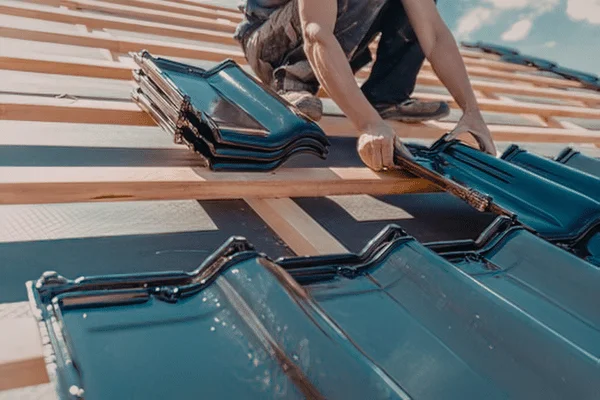
When choosing between metal roofs and asphalt shingles, it’s essential to weigh their pros and cons. Let’s break down what each option brings to the table so you can make an informed decision.
Pros of Metal Roofing
Metal roofing offers homeowners exceptional durability and longevity, often lasting 50 years or more with proper care. Its ability to withstand harsh weather conditions, including heavy rain, hail, and strong winds, makes it a reliable choice. Beyond strength, metal roofs are energy‑efficient, reflecting heat to reduce cooling costs. They also require minimal maintenance, saving time and money compared to traditional materials like asphalt shingles.
Cons of Metal Roofing
Despite its many advantages, metal roofing does have drawbacks worth considering. The upfront cost is significantly higher than that of asphalt shingles, which can deter budget‑conscious homeowners. Additionally, metal roofs may amplify noise during rain or hail, creating potential discomfort indoors. Improper installation can also lead to leaks or performance issues, making it essential to hire experienced contractors to ensure proper application and long‑term reliability.
Pros of Asphalt Shingles
Asphalt shingles remain a popular roofing choice due to their affordability and ease of installation. They are widely available in various styles and colors, allowing homeowners to customize their home’s exterior. With a lifespan of 15 to 30 years, shingles provide a practical solution for many households. Their lightweight nature makes them suitable for most structures and requires less reinforcement than heavier roofing materials.
Cons of Asphalt Shingles
While asphalt shingles are cost‑effective, they come with limitations. Their shorter lifespan, typically 15 to 30 years, means more frequent replacements compared to metal roofs. They are vulnerable to damage from severe weather, including high winds and hail, which can increase repair costs. Asphalt shingles also absorb heat, raising energy bills in warmer climates. Over time, maintenance and replacement expenses can add up significantly
Which Roofing Option Is Best for Your Home?
Choosing the right roofing material requires careful consideration of durability, affordability, and overall design appeal. The debate between metal roofs vs. asphalt shingles highlights two distinct paths for homeowners. Metal roofs are valued for their strength and energy efficiency, often lasting decades with minimal upkeep. Asphalt shingles remain popular for their lower upfront cost and ease of installation. Ultimately, the best choice depends on your budget, climate, aesthetic preferences, and long‑term plans for your home.
When to Talk to a Roofing Professional
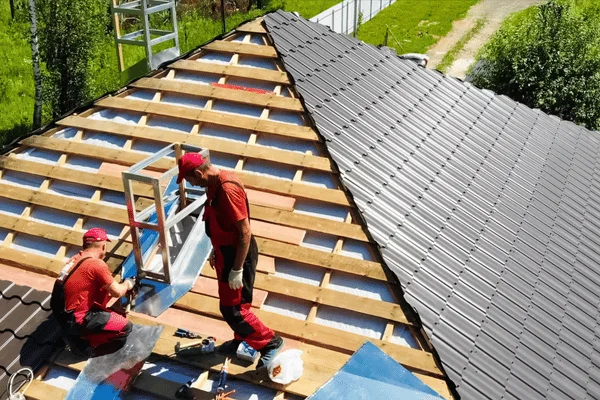
Deciding between metal roofs and asphalt shingles can feel overwhelming, especially when considering the cost, lifespan, and installation requirements of each. This is where a roofing professional becomes invaluable. A roofing contractor in the Denver area can assess your home’s structure, climate conditions, and style preferences to recommend the most suitable option. They also ensure proper installation, reducing risks of leaks or damage. By consulting a professional, you gain confidence in your decision and protect your investment, ensuring your roof delivers both durability and aesthetic appeal for years to come.
Final Thoughts – Metal Roofs vs. Asphalt Shingles
Selecting between metal roofs and asphalt shingles depends on your priorities as a homeowner. If you value longevity, durability, and energy efficiency, a metal roof may be the right choice. However, if upfront costs and ease of installation are more important, asphalt shingles could be better suited to your needs. Keep in mind that the asphalt shingle roof’s lifespan typically influences replacement frequency. Ultimately, consider your budget, climate, and long‑term plans, and consult a roofing professional for tailored advice.
Schedule a consultation with The Install Company to explore the best roofing materials for your home and budget. See for yourself why we are the name more locals trust when they are searching for Denver roofing installation services that they can afford!
Frequently Asked Questions
1. Can I Install a Metal Roof Over Existing Shingles?
Yes, you can install a metal roof over existing shingles. Just make sure the shingles are in good condition and check local building codes. This method can save time and reduce waste during installation.
2. How Do Metal Roofs Perform in Extreme Weather Conditions?
Metal roofs excel in extreme weather, resisting high winds, heavy snow, and intense heat. You’ll find they reflect solar energy, keeping your home cooler, and their durability means they withstand harsh conditions better than many alternatives.
3. Are There Color Options Available for Metal Roofing?
Yes, there are plenty of color options available for metal roofing. You can choose from vibrant hues to muted tones, allowing you to match your home’s aesthetic while ensuring durability and style for years to come.
4. Maintenance Is Required for Asphalt Shingles?
Asphalt shingles need regular inspections, especially after storms. You’ll want to clean gutters, remove debris, and replace damaged shingles promptly. Occasional moss or algae treatment helps maintain the appearance and longevity of your roof.
5. Do Metal Roofs Reduce Energy Costs Significantly?
Metal roofs can markedly reduce energy costs by reflecting sunlight, keeping your home cooler in summer. You’ll notice lower cooling bills, especially in hotter climates, making them a smart choice for energy efficiency.