If your home feels colder near your sliding glass door—even when the heat is running—you’re not imagining it. Sliding glass doors are one of the most common sources of drafts and heat loss during the winter, quietly driving up energy bills and reducing comfort. Understanding why cold air gets in and how proper insulation solves the problem helps homeowners make smart fixes without jumping straight to costly replacements.
Why Sliding Glass Doors Lose Heat in Winter
Sliding glass doors lose heat more easily than other exterior doors because of their size, materials, and moving components. Large glass panels transfer heat faster than insulated walls, and the tracks and sliding panels create natural weak points where insulation is less effective. Older doors may also lack insulated glass or thermal breaks, allowing warmth to escape even when the door appears tightly closed.

Knowing how heat escapes through sliding glass doors helps homeowners focus on fixes that actually improve efficiency, rather than replacing parts that don’t need to be replaced.
Why Drafty Sliding Glass Doors Feel Worse in Cold Weather
Drafts from sliding glass doors feel more noticeable in winter because the temperature difference between indoors and outdoors is much greater. Cold air is pulled through small gaps around frames, panels, and tracks, creating a steady flow that’s easier to feel near the door. At the same time, colder glass surfaces draw heat from the surrounding air, making the area feel colder even when the room is heated.
When seals wear down or glass lacks insulation, these effects are amplified. Improving air sealing and insulation helps reduce airflow, stabilize surface temperatures, and minimize the cold spots that make sliding glass doors uncomfortable during winter months.
Common Causes of Poor Sliding Door Insulation
If you’re experiencing drafts or temperature fluctuations, it could be due to a few common issues with your sliding door insulation. Let’s take a closer look at these factors to help you identify the root cause.
Single-Pane or Older Sliding Door Designs
Older sliding doors with single-pane glass often lack proper insulation. Thin glass allows drafts and cold air to enter, raising energy costs. Upgrading to double-pane designs improves comfort, efficiency, and overall home performance.
Worn Weatherstripping and Gaps in Door Tracks
Sliding doors rely on weatherstripping and track seals to block drafts. When these components wear out, cold air seeps inside. Replacing damaged seals and addressing gaps restores efficiency, keeping your home warmer and more comfortable.
Improper Installation or Aging Components
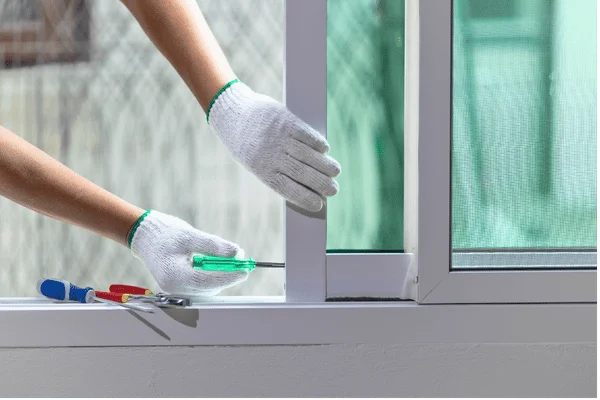
Poor installation or aging parts weaken sliding door insulation. Misaligned frames, worn rollers, and deteriorating seals let cold air in. Regular inspections and timely replacements maintain a tight seal, preventing drafts and improving energy efficiency.
How to Tell If Your Sliding Door Is Letting Cold Air In
If you suspect your sliding door is letting cold air in, there are a few signs to watch for. You may notice drafts or a temperature drop near the door, especially in cold weather. Fortunately, there are simple ways to check for air leaks and confirm if your door needs attention.
Signs of Drafty Sliding Glass Doors
Now that you understand why sliding glass doors lose heat and feel colder in winter, the next step is identifying whether drafts are affecting your home. Drafts aren’t always obvious at first, but catching the warning signs early can help prevent rising energy costs and ongoing discomfort. Common indicators include:
- Cold Spots – A chill near the door indicates air is seeping in
- Whistling Sounds – Wind passing through gaps often creates noticeable noise
- Rattling Frames – Loose fittings can signal poor sealing
- Visible Gaps – Light or air passing through edges indicates compromised insulation
- Difficulty Closing – Misalignment may worsen drafts over time
Spotting one or more of these signs doesn’t automatically mean a full door replacement is needed. In many cases, drafts come from specific problem areas that can be addressed once they’re clearly identified.
Simple Ways to Check for Air Leaks
If you’ve noticed any of these signs or simply want confirmation, there are easy ways to test for air leaks before committing to repairs or upgrades. These simple checks require little more than basic household items and can help pinpoint problem areas:
- Candle Test – Move a lit candle along edges; flickering indicates airflow
- Incense Stick – Watch smoke patterns to detect leaks
- Hand Detection – Feel for cold air with your palm near gaps
- Paper Test – Slide paper between seals; if it moves easily, leaks exist
- Visual Inspection – Look for cracks, worn seals, or misaligned frames
Once you’ve confirmed where air is getting in, the next step is deciding how to fix it. Some solutions offer quick relief, while others provide longer-term improvements depending on the severity of the issue.
Sliding Patio Door Insulation Options (Short-Term Fixes)
Short-term sliding door insulation solutions can help reduce drafts and improve comfort without major renovations. These options are affordable, practical, and easy to implement, making them ideal for homeowners seeking quick improvements.
Weatherstripping Sliding Doors
Weatherstripping is a simple, cost-effective way to seal gaps. Using foam, vinyl, or adhesive strips reduces drafts, improves energy efficiency, and keeps your home more comfortable without extensive remodeling.
Sliding Door Draft Stoppers and Temporary Barriers
Draft stoppers, door snakes, or blankets placed at the base of sliding doors provide quick relief by improving sliding patio door insulation. These temporary barriers block cold air effectively, delivering noticeable comfort improvements with minimal effort or expense, making them a practical short-term solution.
Thermal Curtains for Sliding Doors
Thermal curtains add both style and insulation to sliding doors. Using thermal curtains, heavy insulated fabrics trap heat, reduce drafts, and enhance comfort while offering easy installation and an attractive design that suits many living spaces.
Winterizing Sliding Glass Doors the Right Way (Long-Term Solutions)
When winter arrives, winterizing sliding glass doors is essential to maintaining comfort and efficiency in your home. Let’s explore the best options available and why insulated sliding glass doors make a significant difference.
Benefits of Double Pane Sliding Glass Doors
Investing in double pane sliding glass doors can greatly boost your home’s energy efficiency and comfort. These doors feature two layers of glass with an insulating gas between them, reducing heat transfer. You’ll notice lower energy bills and a cozier living space during the winter. Plus, they minimize noise pollution, providing a quieter environment.
Best Sliding Glass Doors for Cold Weather
Properly winterizing your sliding glass doors is essential for maintaining comfort and energy efficiency during colder months. Look for doors with strong energy performance, double- or triple-pane glass, and low-E coatings that reduce heat loss. Durable frame materials such as vinyl or fiberglass help resist cold air infiltration and improve insulation performance. Choosing the right door for cold weather helps create a warmer, more consistent indoor environment while improving long-term comfort.
Why Insulated Sliding Glass Doors Perform Better
Insulated sliding glass doors offer significant advantages over standard models, especially in colder climates. They feature advanced materials and multiple panes that minimize heat loss, keeping your home warmer in winter. This improved energy efficiency can lead to lower heating bills and increased comfort. Additionally, they reduce condensation, enhance durability, and maintain a clear view. Investing in insulated doors is a smart choice for long-term savings.
When It’s Time to Replace Drafty Sliding Glass Doors
Drafty doors can compromise comfort and efficiency, making replacement a smarter choice when the sealing system and other repairs no longer provide lasting solutions.
Signs Replacement Makes More Sense Than Repairs
In some cases, repairs can only go so far. Recognizing when replacement is the more practical option helps homeowners avoid repeated fixes, rising costs, and ongoing discomfort. Common signs that replacement may be the better solution include:
- Persistent Condensation – Continuous moisture between panes indicates underlying issues that require more than a simple fix
- Visible Gaps – Noticeable spaces allow air infiltration, reducing comfort and efficiency
- Difficulty Operating – Struggling to open or close indicates structural wear
- Frequent Repairs – Constant fixes often cost more than replacement
- Poor Insulation – Drafts signal declining performance, making new doors a worthwhile investment
When several of these issues appear together, replacement often provides a more reliable, long-term solution. At that point, weighing upgrade options and professional recommendations can help ensure the new door improves comfort, efficiency, and ease of use moving forward.
Can Sliding Glass Doors Be Replaced in Winter?
Yes, sliding glass doors can be replaced during winter. While colder temperatures may seem like a challenge, professional installers are equipped to work efficiently and minimize heat loss during installation. With proper sealing and insulation, winter replacement can immediately improve comfort and energy efficiency, making your home warmer even during the coldest months.
Professional Installation Makes Sliding Door Insulation Last
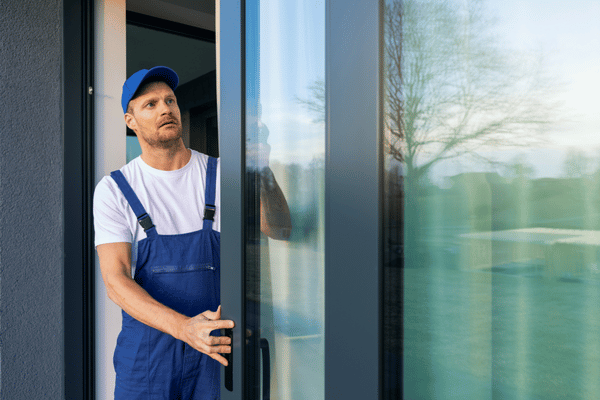
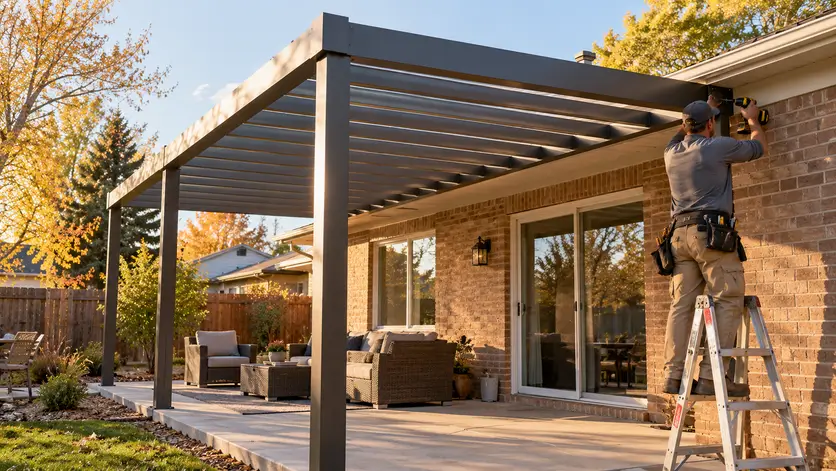
When you choose professional installation for your sliding doors, you ensure precision and proper sealing, both of which are vital to effective insulation. This attention to detail not only enhances your home’s comfort, but also leads to long-term energy savings. Investing in expert help can significantly improve your door’s performance over time.
Precision Installation and Proper Sealing
Proper installation of sliding glass doors is essential for maximizing insulation efficiency. When you guarantee precise alignment and proper sealing, you prevent cold air from seeping in and warm air from escaping. Hiring professionals can help you achieve that perfect fit. They’ll use high-quality materials and techniques, ensuring your doors not only look great but also perform at their best in terms of energy efficiency.
Long-Term Comfort and Energy Savings
Investing in professional installation for your sliding glass doors delivers long-term comfort and energy savings. When done correctly, insulation reduces drafts, keeps your home cozy, and minimizes energy costs. You’ll notice a difference in your utility bills and overall comfort levels. Plus, quality installation guarantees your doors operate smoothly, giving you peace of mind for years to come.
Improving Sliding Door Insulation for a Warmer Home
Once drafts and heat loss have been identified, targeted insulation upgrades can make a noticeable difference in comfort. The right solution depends on whether the issue is air leakage, glass performance, or both. Common ways homeowners improve sliding door insulation include:
- Upgrading weatherstripping around frames and panels to reduce air infiltration
- Adding thermal curtains or insulated shades to limit heat transfer through glass
- Replacing single-pane or outdated glass with double- or triple-glazed options
- Supplemental heating solutions, such as door-area heaters, for high-exposure spaces
These improvements help stabilize indoor temperatures, reduce energy loss, and extend the usable life of existing sliding glass doors when full replacement isn’t yet necessary.
Final Thoughts on Drafty Sliding Glass Doors
Addressing cold air leaks around your sliding glass doors is essential to maintaining a comfortable home. By identifying common causes and improving sliding door insulation through short-term fixes and long-term solutions, you can enhance overall performance. Whether upgrading glass or improving installation quality, these steps help reduce heat loss, improve comfort, and support more consistent indoor temperatures while lowering ongoing energy costs.
Schedule a professional sliding door assessment with The Install Company to improve insulation and eliminate winter drafts.
Frequently Asked Questions
1. Can Sliding Glass Doors Be Energy Efficient?
Yes, sliding glass doors can be energy efficient. When you choose high-quality materials and guarantee proper installation, they’ll minimize heat loss and maintain comfortable temperatures, saving you money on energy bills throughout the year.
2. What Materials Are Best for Insulating Sliding Doors?
For insulating sliding doors, consider using double or triple-pane glass, vinyl frames, and weatherstripping. These materials help maintain temperature, reduce energy costs, and enhance comfort in your home, making them ideal for energy efficiency.
3. How Often Should I Check My Sliding Door Insulation?
You should check your sliding door insulation at least once a year. Regular inspections help you catch any issues early, ensuring your home stays energy-efficient and comfortable throughout the colder months. Don’t overlook this important maintenance!
4. Do Sliding Doors Require Special Insulation Maintenance?
Yes, sliding doors require regular maintenance to maintain insulation. You should inspect seals and weatherstripping periodically, clean tracks, and guarantee proper alignment. This keeps your home energy-efficient and prevents drafts from entering through your sliding doors.
5. Can Window Film Help Reduce Cold Air From Sliding Doors?
Yes, window film can help reduce cold air from sliding doors. Adding an extra layer of insulation minimizes drafts, improves energy efficiency, and keeps your space warmer during cold months.