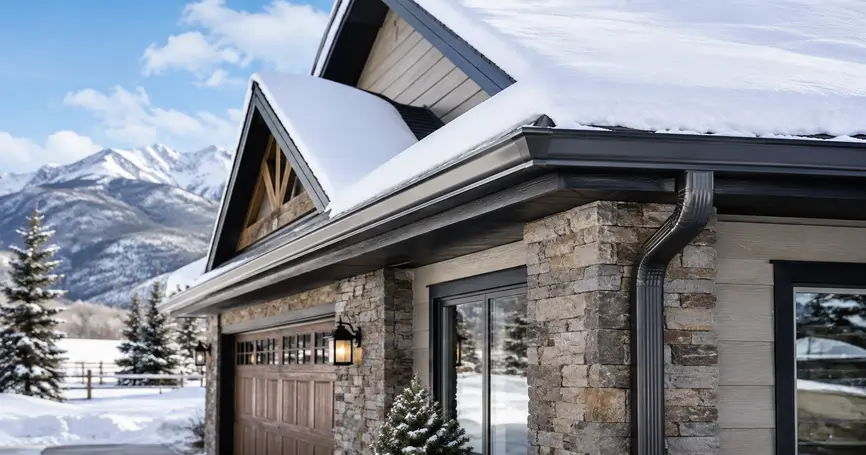
An attic ventilation system is a critical yet often overlooked element of home design and maintenance. By combining roof and soffit ventilation, these systems create a balanced airflow that regulates attic temperature and prevents harmful moisture buildup. Without proper ventilation, heat and humidity can accumulate, leading to mold growth, wood rot, and premature roof deterioration.
A well‑functioning system not only protects structural integrity, but also improves energy efficiency, reduces cooling costs, and enhances indoor comfort. Understanding how roof and soffit components work together helps homeowners identify potential issues early, safeguard their investment, and ensure long‑term durability. Proper roof ventilation is truly the foundation of a healthier, more resilient home.
What Is an Attic Ventilation System?
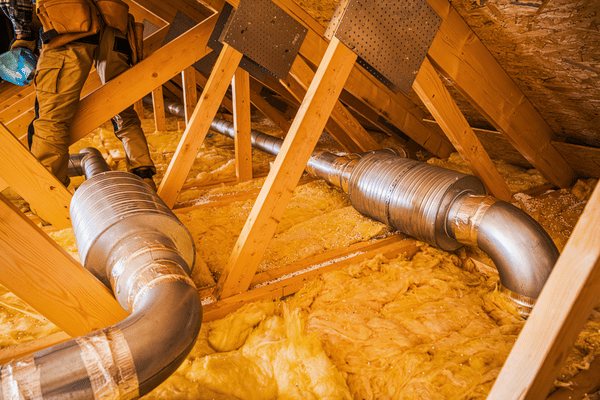
An attic ventilation system helps regulate airflow in your home, ensuring your attic stays cool and dry. By understanding how it works and the importance of balanced airflow, you can protect your roof from damage and mold growth. Let’s explore these key aspects to keep your home in top shape.
How Attic Ventilation Works in a Home
An attic ventilation system works by moving air through the space to regulate temperature and moisture. Cooler air enters through soffit vents at the roof’s edge, while warmer air rises and exits through vents near the top of the roof. This continuous airflow helps prevent heat buildup in the summer and moisture issues year-round, protecting both the roof structure and the home.
Why Proper Attic Ventilation Matters for Your Home
Proper attic ventilation is essential for maintaining a healthy home environment. It helps prevent moisture buildup and mold, boosts energy efficiency, and can even extend the lifespan of your roof. By understanding its importance, you can guarantee your attic remains a safe and comfortable space.
Preventing Moisture and Mold in the Attic
Many homeowners underestimate the importance of effective attic air circulation in preventing moisture buildup and mold growth. Without proper airflow, humidity can accumulate, creating damp conditions that promote mold spore growth. You might not see the effects immediately, but over time, this can damage your insulation, wood structures, and even your health. Prioritizing ventilation now can save you costly repairs later.
Improving Energy Efficiency and Temperature Control
A well-ventilated attic can significantly improve your home’s energy efficiency and temperature control. By allowing hot air to escape in the summer and preventing heat buildup in the winter, proper ventilation helps maintain a stable indoor temperature. This not only reduces your reliance on heating and cooling systems but also lowers energy bills, ultimately saving you money.
Extending the Lifespan of Your Roofing System
Maintaining a well-ventilated attic doesn’t just help with energy efficiency; it also plays a vital role in extending the lifespan of your roofing system. Proper ventilation prevents moisture buildup, reducing the risk of mold and structural damage. When your roof stays dry and cool, it’s less likely to warp or deteriorate, saving you time and money on costly repairs or replacements.
Common Roof Ventilation Types Used in Modern Homes
Proper roof ventilation is essential for energy efficiency, moisture control, and long-term durability. Modern homes rely on several roof ventilation types that balance airflow, regulate attic temperatures, and protect structural integrity.
Ridge Vents
Ridge vents extend along the roof’s peak, creating a continuous outlet for hot air to escape while cooler air enters from below. This passive system maintains balanced attic temperatures, reduces moisture buildup, and prolongs roof life. By improving airflow, ridge vents enhance comfort and lower energy costs. Their discreet design blends seamlessly with roofing materials, making them one of the most effective and visually appealing ventilation solutions available today.
Soffit Ventilation Systems
Soffit vents are installed beneath the eaves, drawing in cool air that circulates through the attic and exits via ridge or gable vents. This steady airflow prevents heat accumulation in summer and reduces moisture year-round. By maintaining circulation, soffit systems protect roofing materials, improve energy efficiency, and support a healthier indoor environment. Their placement also ensures balanced ventilation, making them a critical component of modern roofing systems.
Gable Vents and Roof Vents
Gable vents, positioned at the ends of attics, allow warm air to escape, while roof vents along the ridge ensure consistent airflow throughout the space. Together, they regulate temperature and moisture, reducing risks like mold growth, wood rot, and roof damage. These vents complement ridge and soffit systems, creating a balanced environment that supports structural integrity, energy efficiency, and long-term comfort. Their combined function makes them versatile and reliable ventilation options.
The Role of Soffit Ventilation in an Attic Vent System
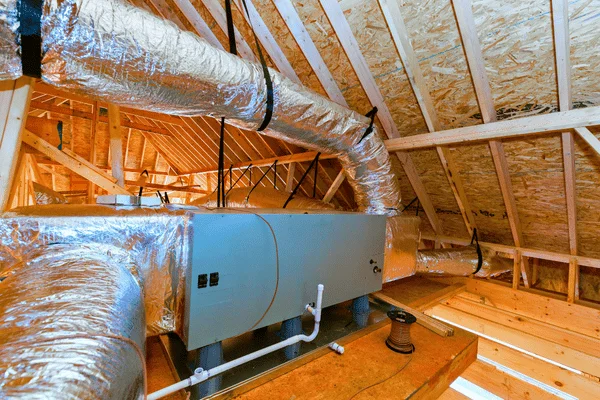
The soffit or under-eave vent system plays an essential role in your attic’s overall ventilation system by enhancing air intake. These vents allow cool, fresh air to enter your attic, helping balance the temperature and reduce moisture buildup. When properly installed, it works in tandem with roof vents to create an effective airflow that helps regulate temperature and moisture levels. Understanding this synergy is key to maximizing your home’s energy efficiency and preventing potential damage.
Signs Your Attic Ventilation May Not Be Working Properly
If your attic feels excessively hot during the summer, it might be a sign that your attic ventilation system isn’t working properly. You could also notice ice dams forming in winter or signs of moisture buildup, both of which indicate poor airflow. These issues can lead to premature roof wear, so it’s crucial to address them promptly.
Excess Heat in the Attic
If you notice that your attic feels uncomfortably warm, especially during hot months, it’s a sign your ventilation might be inadequate. This excess heat can lead to increased energy costs and potential damage to your roof and insulation. Addressing this issue promptly can protect your home and improve comfort.
Ice Dams and Moisture Problems
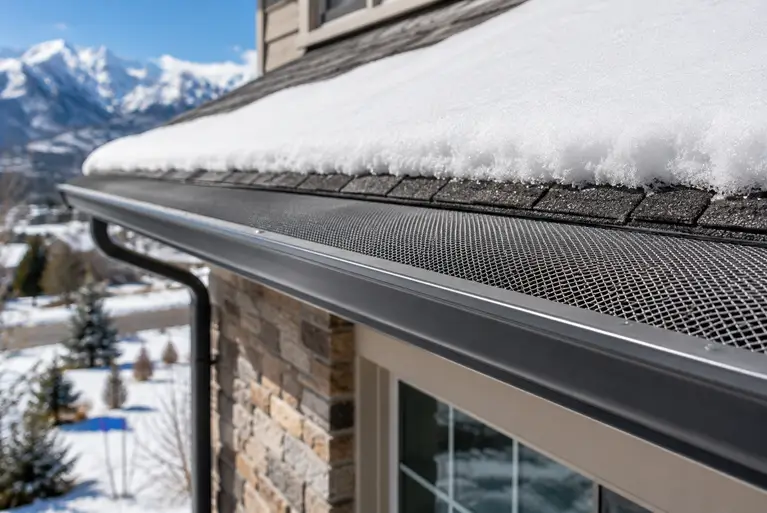
Poor home attic ventilation can lead to ice dams and moisture problems that threaten your home’s integrity. When warm air escapes from your living space into the attic, it can melt snow on the roof. As the water refreezes at the eaves, ice dams form, causing leaks and water damage. Keep an eye out for icicles and water stains as signs of inadequate ventilation.
Premature Roof Wear
Inadequate air ventilation can lead to premature roof wear, putting your investment at risk. If you notice curling shingles, dark spots, or increased energy bills, your roof might be suffering. Excess heat and moisture can deteriorate roofing materials faster than expected. Regularly check your ventilation system to ensure it’s working properly, and take steps to prevent costly repairs down the line.
When to Consider Upgrading Your Home Attic Ventilation
If you live in an older home with a limited attic ventilation system, it might be time to contemplate an upgrade. Roofing replacement projects are also a great opportunity to enhance your ventilation system. Plus, improving energy efficiency can lead to lower utility bills and a more comfortable living space.
Older Homes with Limited Ventilation
Many older homes struggle with limited attic airflow, which can lead to a host of issues like heat buildup and moisture damage. If you notice increased energy bills, mold growth, or ice dams in winter, it’s time to contemplate upgrading your ventilation system. Improved airflow can enhance your home’s efficiency, protect your roof, and create a healthier living environment for you and your family.
Roofing Replacement Projects
When you’re considering a roofing replacement, it’s important to evaluate your attic airflow as well. Upgrading your ventilation system can prevent moisture buildup, reduce heat retention, and extend the life of your new roof. Take this opportunity to assess your current setup and verify it meets your home’s needs. Proper ventilation will enhance your roof’s performance and overall home comfort.
Improving Energy Efficiency
Upgrading your home attic ventilation can greatly boost energy efficiency, especially if you’re noticing higher utility bills or uncomfortable temperatures. By enhancing airflow, you reduce heat buildup in the summer and moisture accumulation in the winter, lowering your heating and cooling costs. Consider installing additional vents or a powered ventilation system to guarantee peak performance and comfort year-round.
Professional Soffit Vent Installation and Roof Ventilation Solutions
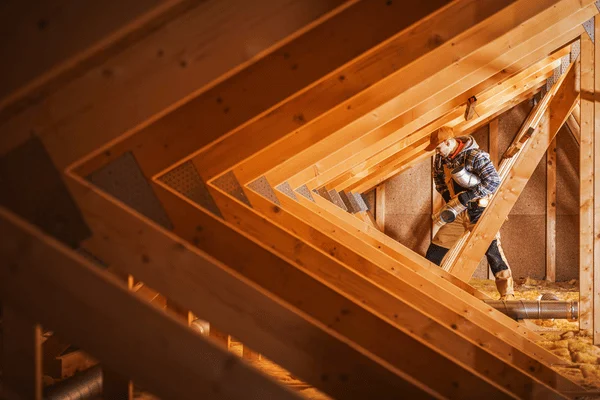
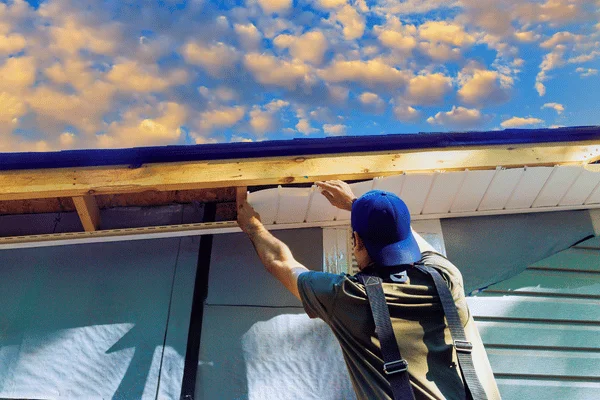
Properly installed soffit vents are essential for maintaining an effective roof ventilation system. They help regulate attic temperature and moisture, preventing damage and improving your home’s energy efficiency. Hiring professionals guarantees correct soffit vent installation and ideal airflow. Additionally, consider integrating roof vents for a balanced system. This combination protects your home from potential issues like mold and premature roof aging, keeping it safe and comfortable.
Final Thoughts on Attic Ventilation
A well-designed attic airflow system is essential for protecting your home from heat and moisture damage. By ensuring proper roof and soffit ventilation, you’re not only extending your roof’s lifespan but also enhancing your home’s overall energy efficiency. If you notice signs of an inadequate attic vent system, don’t hesitate to reflect on upgrades or seek professional installation. Taking these steps now will help you maintain a healthier, more comfortable living environment for years to come.
Schedule a consultation with The Install Company to evaluate your attic ventilation system and improve the performance of your roof and exterior.
Frequently Asked Questions
1. How Does Attic Ventilation Affect Energy Efficiency?
Attic ventilation directly impacts energy efficiency by regulating temperature. When you maintain proper airflow, it prevents heat buildup in summer and moisture in winter, reducing your HVAC system’s workload and lowering energy bills.
2. Can Attic Ventilation Help Prevent Ice Dams in Winter?
Yes, attic ventilation can help prevent ice dams in winter. By maintaining consistent temperatures in your attic, it reduces the risk of melting snow refreezing at the eaves, protecting your roof and home from potential damage.
3. What Are the Costs Associated With Installing Attic Ventilation?
Installing attic ventilation typically costs between $300 to $1,500, depending on your home’s size and the system you choose. You’ll want to factor in labor, materials, and potential upgrades for ideal performance and efficiency.
4. How Often Should I Inspect My Attic Ventilation System?
You should inspect your attic ventilation system at least twice a year, ideally in spring and fall. Regular checks help identify blockages or damage, ensuring your home stays well-ventilated and protected from moisture issues.
5. What DIY Options Are Available for Attic Ventilation?
You can install ridge vents, soffit vents, or gable vents yourself. Adding a powered attic fan can also help. Just make sure to follow safety guidelines and local building codes for effective DIY attic ventilation.