Most homeowners focus on shingles, siding, or gutters when thinking about exterior roof maintenance. However, the small components along the roofline often do some of the most important work. Soffit and fascia may not be the most visible parts of your home, but they play a crucial role in protecting your roof, improving attic ventilation, and preventing moisture damage.
Keeping up with the proper soffit and fascia services and maintenance can help protect your roofing system for years to come. Without proper soffit ventilation and strong fascia boards, heat, humidity, and water can slowly build up around your roofline. Over time, this can lead to mold growth, structural wood rot, pest entry, and costly repairs.
Understanding what soffit and fascia are and how they function together helps homeowners spot early warning signs and make smarter maintenance decisions. In this guide, we’ll explain how these components work, why they matter, and when soffit and fascia replacement may be the safest long-term solution for protecting your home.
Let’s take a deeper dive into the world of soffit, fascia, and roofing systems now!
Home Soffit and Fascia Services – What Are They Actually?

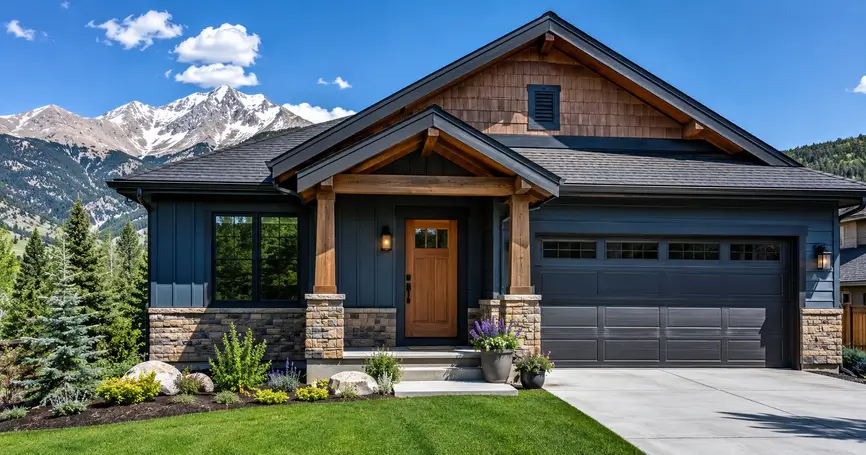
They are essential components of your home’s exterior, contributing to both appearance and function. The soffit is located beneath the roof’s overhang, while the fascia runs along the edge, creating a clean finish. Proper ventilation through the soffit helps reduce moisture buildup, while fascia provides support and protection for roofing materials.
When damage occurs, timely replacement or repair is key to maintaining durability and curb appeal. Understanding what is soffit and fascia ensures homeowners appreciate their importance in safeguarding structure, efficiency, and long‑term value.
Why Soffit and Fascia Matter for Your Home
These exterior features are more than just details. They safeguard your home’s structure, improve efficiency, and enhance curb appeal. It is vital that homeowners not ignore their importance, as it will help them protect investments and maintain long‑term durability with confidence. Here are two of the most important aspects of soffit and fascia services to keep in mind:
Soffit Ventilation and Fascia Airflow
Proper ventilation is essential for maintaining a healthy home environment, and soffit ventilation plays a key role in this process. It allows fresh air to flow into your attic while exhausting stale air, preventing moisture buildup, and reducing heat. The airflow through the soffit and fascia helps regulate temperatures, protect insulation, and promote energy efficiency. Ensuring your soffits are properly ventilated can greatly enhance your home’s overall performance.
Structural Support and Protection
Ventilation isn’t just about airflow; it also contributes to your home’s structural integrity. Soffit and fascia play vital roles in protecting your roof and attic from water damage and pests. By ensuring proper airflow, they help prevent mold and rot, which can weaken your structure. Investing in quality roof overhangs means safeguarding your home’s foundation and longevity.
Signs You May Need Soffit and Fascia Replacement
Recognizing early warning signs of damage to your roof edge detailing helps protect your home’s exterior and roof integrity. Regular inspections can reveal issues before they escalate. Watch for these common indicators:
Peeling Paint
Peeling paint on the soffit or fascia often signals prolonged exposure to moisture or harsh weather. While it may seem cosmetic, it can reveal deeper issues like water infiltration or weakened materials. Addressing this early prevents further deterioration and protects your home’s exterior.
Water Stains
Water stains around the roofline suggest leaks or poor drainage. Left unchecked, they can lead to rot or structural damage. Identifying stains quickly helps homeowners resolve underlying problems before they escalate.
Mold Growth
Mold growth indicates trapped moisture and insufficient ventilation. Beyond appearance, mold can compromise air quality and weaken materials. Proper inspection ensures timely replacement and healthier living conditions.
Sagging Sections
Sagging soffit or fascia shows weakened support. This can compromise roof stability and invite pests. Replacement restores strength and prevents high soffit repair costs.
Detached Boards
Detached boards create gaps that allow water and pests to enter your home. Replacing them promptly ensures protection, durability, and a polished exterior.
If you notice any of these problems, soffit and fascia replacement may be necessary to maintain durability, prevent costly repairs, and ensure your home remains protected and visually appealing.
Soffit Repair Cost vs Full Replacement
When maintaining your home’s exterior, deciding between soffit repair cost and full replacement is an important step. Minor issues can often be addressed quickly, saving money in the short term. However, recurring or extensive damage may require a complete replacement to ensure long‑term durability.
Evaluating the condition of your soffit helps determine the most practical option. Consider future maintenance needs, potential risks, and overall value before making a decision. A thoughtful approach ensures your investment is protected while keeping your home’s exterior strong, functional, and visually appealing for years to come.
What to Expect During Fascia Installation or Replacement
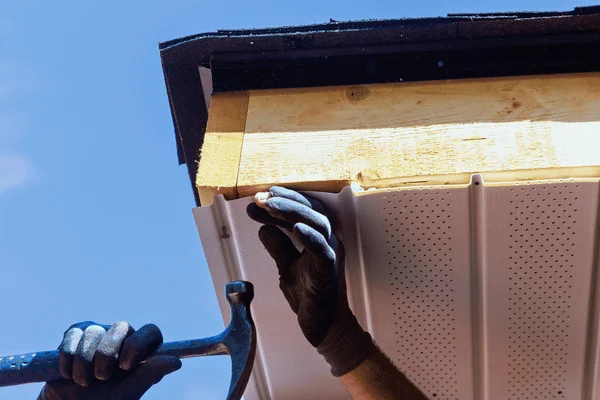
Fascia installation is a structured process designed to protect and enhance your home’s exterior. A contractor begins by inspecting the area and removing damaged boards. Next, new materials are measured, cut, and secured with proper fasteners to ensure stability. This step supports roofing elements and improves curb appeal. Once installed, the site is cleaned thoroughly, leaving a neat finish.
Homeowners can expect a professional process that emphasizes precision, safety, and long‑lasting results. Understanding each stage helps you feel confident in the outcome and ensures your fascia contributes to both function and style. Whether you choose repair or replacement, soffit and fascia services are one area of roofing maintenance you cannot afford to ignore!
How Soffit and Fascia Work With Roofing and Siding
Soffit systems and fascia boards are essential components of a roofing and siding system. Together, they regulate airflow, prevent moisture buildup, and protect structural integrity. The soffit allows air to circulate into the attic, reducing the risk of mold or rot. Fascia supports the lower edge of the roof, securing shingles and adding a polished appearance. Their combined function ensures durability and efficiency, helping your roof withstand seasonal changes.
Properly maintained roof overhangs not only safeguard your home but also enhance its overall aesthetic. Investing in upkeep guarantees your roofing and siding perform reliably for years to come
Protecting Your Home’s Exterior the Right Way
Protecting your home’s exterior requires consistent care and attention. Regular inspections help identify early signs of damage, such as rot or cracks in fascia board repair areas. Keeping gutters clean prevents water buildup, while proper ventilation reduces the risk of moisture issues. Durable materials and protective finishes add resilience against harsh weather. Painting or sealing exposed surfaces further extends the lifespan.
Understanding what is soffit and fascia also helps homeowners appreciate their role in long‑term protection. A proactive approach ensures your exterior remains strong, attractive, and reliable for years to come.
Your soffit and fascia may seem like small details, but they play a major role in protecting your roof, ventilation system, and overall home structure. Catching problems early can prevent moisture damage, structural rot, and expensive repairs later.
Final Thoughts on Soffit, Fascia, and Roofing Systems
Schedule a soffit and fascia inspection today to make sure your home’s exterior is properly protected. Our team can evaluate your roofline, recommend repairs if needed, and help you plan safe, long-lasting solutions for your home. Soffit and fascia services are a vital part of home maintenance and upkeep, especially in the local area!
Watching for signs of wear and knowing when to repair or replace these components can prevent costly issues later. Prioritizing maintenance enhances curb appeal while ensuring longevity and efficiency. When damage becomes significant, timely soffit and fascia replacement provides lasting protection, helping your home remain strong, attractive, and reliable for years to come.
If you’re unsure whether your roofline is in good condition, a professional exterior inspection can quickly identify potential issues with ventilation, fascia boards, or aging materials. Call The Install Company today and let our team of skilled and experienced pros help you with all your soffit, fascia, and roofing system needs!
Frequently Asked Questions
1. Can Soffit and Fascia Be Painted or Stained?
Yes, you can paint or stain soffit and fascia to enhance their appearance. Just guarantee you use appropriate materials and techniques for the specific materials, and always prepare the surface properly for the best results.
2. What Materials Are Soffit and Fascia Typically Made From?
Soffit and fascia are typically made from materials like vinyl, aluminum, wood, and fiber cement. Each material offers different benefits, so you’ll want to choose one that suits your home’s style and maintenance needs.
3. How Often Should Soffit and Fascia Be Inspected?
You should inspect your soffit and fascia at least twice a year, ideally during spring and fall. Regular checks help identify issues like damage or pests, ensuring your home stays protected and well-maintained.
4. Soffit and Fascia Come in Different Styles?
Yes, soffit and fascia come in various styles, including wood, vinyl, and aluminum. You can choose designs that complement your home’s architecture, enhancing its overall aesthetic while providing essential protection against the elements.
5. Can I Install Soffit and Fascia Myself?
Yes, you can install soffit and fascia yourself if you have the right tools and skills. Just guarantee you measure accurately, follow safety guidelines, and choose materials that suit your home’s style and climate.